
When Pecorino hits hot spaghetti too soon, it can seize into pale little clumps instead of coating the strands. I had to slow down at the finish to get the smooth, peppery sauce I wanted from cacio e pepe. A few minutes of careful tossing makes all the difference.
This version keeps the ingredient list short and gives each one a clear job. Spaghetti goes into salted water, freshly cracked pepper warms in a dry skillet, and finely grated Pecorino gets mixed with hot pasta water before it meets the pan.
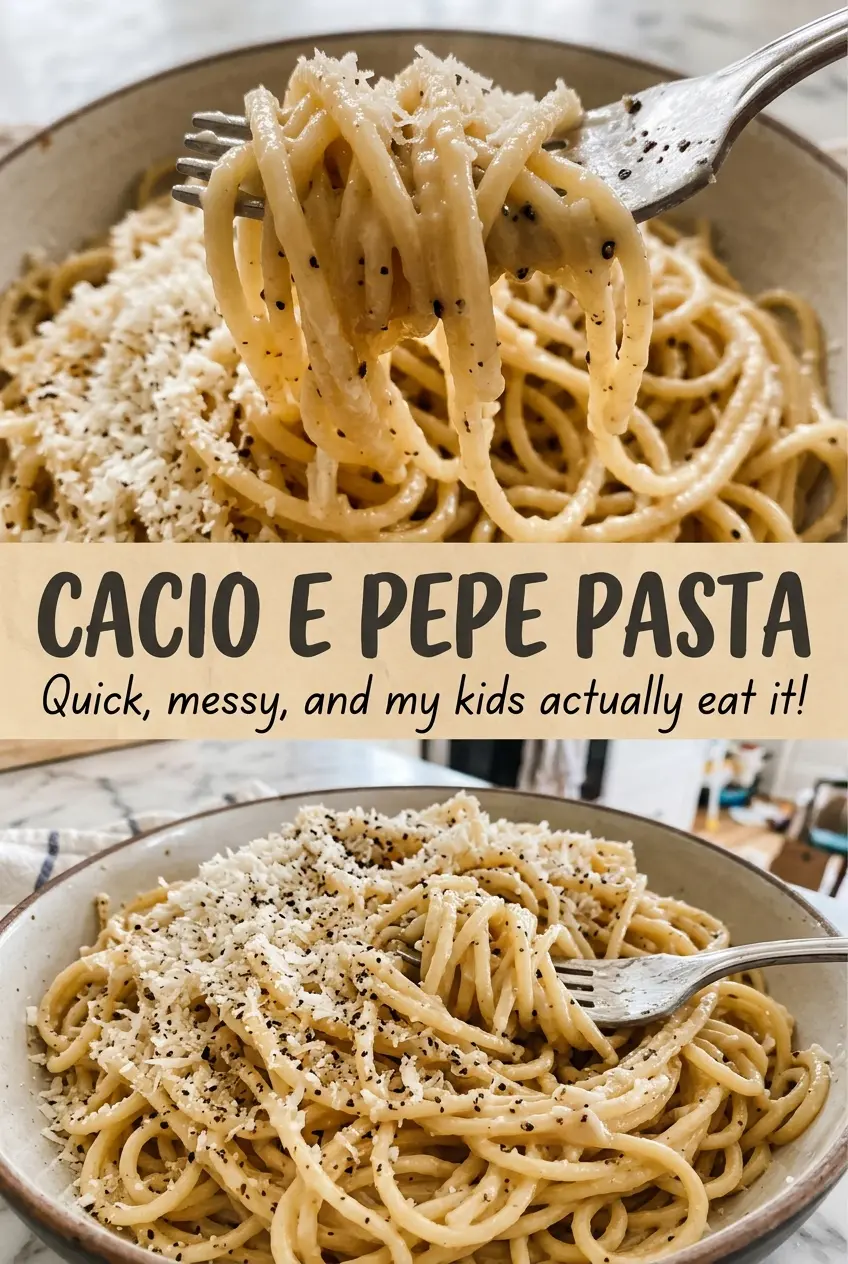
The result is a glossy coating that clings to the noodles, with the savory bite of cheese and a warm pepper finish. Serve it right away, while the sauce still shines and the spaghetti is hot.
Kitchen Note
Watch the pepper rather than the clock: it should smell fragrant after 1–2 minutes over medium heat. Turn off the burner then; pepper that darkens too much will taste burnt instead of warm and aromatic.
Save this Cacio e Pepe Pasta for a night when you want a glossy Pecorino sauce and plenty of freshly cracked pepper.
Why the Pecorino Goes In After the Skillet Comes Off the Heat
Finely grated cheese needs a gentler finish than a bubbling sauce. Over direct heat, Pecorino can tighten and clump before it has a chance to coat the spaghetti. The hot pasta water helps the cheese disperse, while its starch helps the sauce cling to the noodles.
That’s why I make a smooth, thick cheese paste first, then toss it with the pasta after turning off the heat. Adding the paste in three additions gives it a chance to spread through the strands instead of landing in one heavy lump. If the sauce looks tight, a little reserved pasta water loosens it without making it watery. Add it gradually and stop when the noodles look evenly coated and glossy; there’s no need to use every drop you saved.
This finish also leaves the black pepper noticeable rather than buried. It should season each bite, not turn the sauce into a peppery puddle.
Why Pecorino and Freshly Cracked Pepper Shape the Whole Bowl
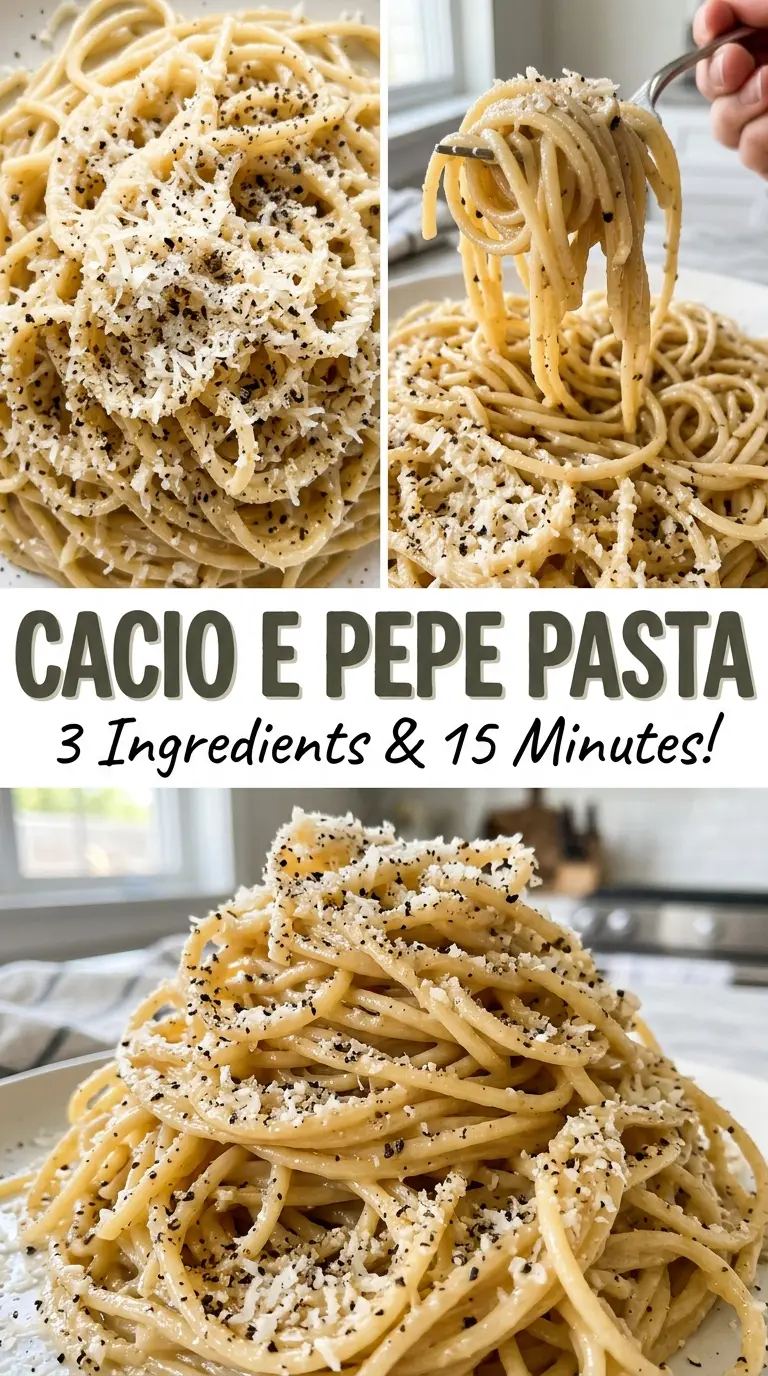
- Pecorino Romano — Its salty, sharp sheep’s-milk character gives this pasta its distinctive savory edge. Finely grate it so it can blend into the hot water rather than stay in shreds. A wedge grated at home is the most reliable choice for a smooth paste; pre-grated cheese can contain anti-caking agents and may not melt as evenly. If you need a substitute, finely grated Parmesan works in the same amount by weight, though the result will taste milder and less tangy.
- Black pepper — Freshly cracked pepper has a brighter aroma and a more varied texture than fine pre-ground pepper, which matters in a dish with so few ingredients. Use a pepper mill or mortar and pestle to crack it shortly before cooking. The pepper doesn’t need to be an expensive specialty variety; freshness and a coarse crack matter more here.
- Spaghetti — The long strands are easy to toss through the sauce and give it plenty of surface to cling to. Choose a brand you enjoy eating, but there’s no need to seek out a premium pasta for this preparation. Keep the pasta water when draining; the sauce depends on it for both texture and seasoning.
How to Finish the Spaghetti Without Losing the Glossy Sauce
Cook the Spaghetti Just Shy of Al Dente
Bring the water to a boil in a large pot, stir in the kosher salt, and add the spaghetti. Cook it according to the package directions until it’s 2 minutes shy of al dente, stirring occasionally so the strands don’t settle into a sticky mass. Before draining, reserve 2 cups of the pasta water. The spaghetti will finish cooking in the skillet, so don’t wait until it’s fully tender in the pot.
Toast the Pepper in a Dry Skillet
While the pasta cooks, put the freshly cracked black pepper in a dry 12-inch skillet over medium heat. Toast it for 1–2 minutes, until fragrant, then turn off the heat. The skillet should stay dry at this stage; adding oil or butter would change the clean pepper-and-cheese sauce. Keep the pan nearby, ready for the reserved pasta water.
Make a Smooth Pecorino Paste
Whisk the finely grated Pecorino Romano with 1/2 cup of hot pasta water in a bowl. Pour the water in gradually as you whisk, rather than adding it all at once, and look for a smooth, thick paste with no dry pockets of cheese. If the mixture looks grainy, keep whisking before it goes into the skillet. This paste is easier to distribute than loose grated cheese.
Toss the Pasta, Then Add the Cheese Off Heat
Add 1/2 cup of pasta water to the skillet and bring it to a simmer over medium heat. Add the drained spaghetti and toss over low heat for 1 minute. Turn off the heat, then toss in the cheese paste in 3 additions until the strands are evenly coated. If the sauce needs loosening, add reserved pasta water 1 tablespoon at a time until it looks glossy, then serve immediately.
Two Pasta Swaps That Still Let the Sauce Cling
Bucatini for a Chewier Bite
Swap in an equal amount of bucatini for the spaghetti and use its package timing to find the point 2 minutes shy of al dente. The thicker strands have a pleasantly chewy center, and their hollow middles catch a little sauce. Keep the same finishing method and add the cheese paste only after turning off the heat.
Gluten-Free Spaghetti
Use an equal amount of gluten-free spaghetti for a gluten-free version, and follow its package timing to stop 2 minutes before al dente. Gluten-free pasta can release less starch or break more easily, so reserve the water carefully and toss gently. Add that water a tablespoon at a time at the finish; the sauce may need less or more to reach a glossy coating.
Storage and Reheating
- Refrigerator: Refrigerate leftovers in a covered container within 2 hours and use within 3 days. The sauce will firm up and lose some of its fresh gloss.
- Freezer: I don’t recommend freezing this pasta. The cheese sauce can separate as it thaws, and the spaghetti is likely to turn soft.
- Reheating: Warm a portion gently in a skillet over low heat with a small splash of water, tossing until hot throughout. High heat can make the cheese sauce separate, so bring it back slowly.
Questions That Come Up While Making Cacio e Pepe
Cacio e Pepe Pasta
Ingredients
Equipment
Method
- Bring the water to a boil in a large pot.
- Stir in the kosher salt.
- Add the spaghetti and cook according to the package directions until 2 minutes shy of al dente, stirring occasionally.
- Reserve 2 cups of the pasta water, then drain the pasta.
- While the pasta cooks, toast the black pepper in a dry 12-inch skillet over medium heat for 1–2 minutes, until fragrant.
- Turn off the heat.
- Whisk the Pecorino Romano with 1/2 cup of the hot pasta water in a bowl, adding the water gradually, until it forms a smooth, thick paste.
- Add 1/2 cup pasta water to the skillet and bring it to a simmer over medium heat.
- Add the drained pasta and toss over low heat for 1 minute.
- Turn off the heat.
- Toss in the cheese paste in 3 additions until the pasta is evenly coated.
- Add reserved pasta water 1 tablespoon at a time as needed for a glossy sauce.
- Serve immediately.