
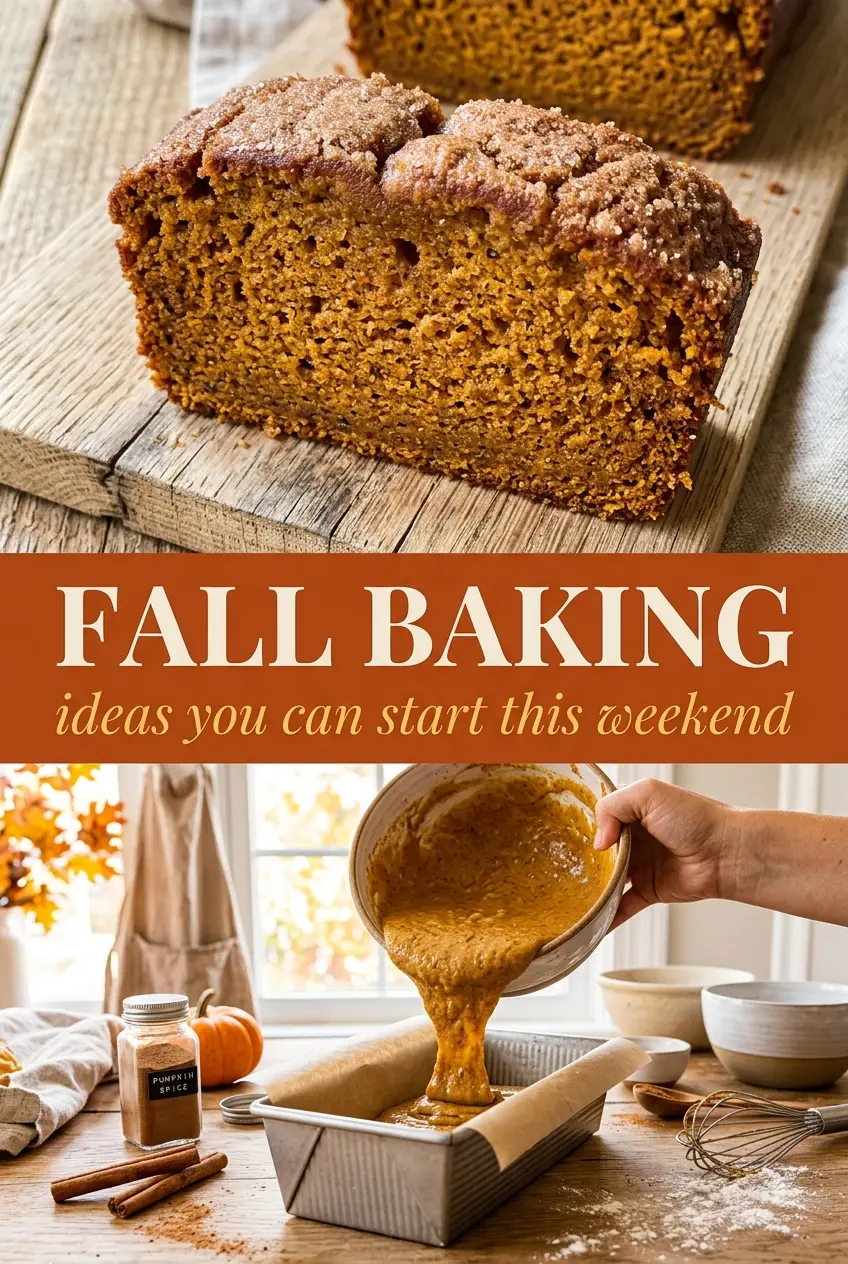
Warm spices, tender crumb, and that unmistakable pumpkin-cinnamon aroma are what make fall baking worth turning the oven on for. A good loaf, cookie, or pie in this category should taste like the spices have settled into the batter instead of sitting on top of it, and that comes from handling the pumpkin and spice blend with a little restraint. The best results are usually the simplest ones: a batter mixed just until the flour disappears, enough spice to taste cozy without going sharp, and a bake long enough to set the center without drying out the edges.
This version leans on pumpkin puree for moisture and body, but the real structure comes from the flour, eggs, and baking soda working together. Pumpkin puree can make baked goods heavy if it’s overmixed or paired with too much liquid, so the trick is to keep the batter loose enough to spread and thick enough to hold its shape. Warming the spices first helps them bloom, which gives the whole batch a deeper, rounder flavor instead of a dusty one.
Below, I’ve included the small details that make a seasonal bake turn out consistently: how to keep the crumb soft, what to do if your spices taste flat, and the easiest way to batch-bake for the weeks ahead.
The pumpkin flavor came through without tasting heavy, and the loaf stayed moist for days. Warming the spices first made a bigger difference than I expected, and the crumb sliced cleanly after cooling.
Save these pumpkin-spiced fall baking ideas for the weekend when you want a soft, warmly spiced loaf without a complicated ingredient list.
Why Pumpkin Batter Turns Dense When You Overwork It
Pumpkin puree already brings a lot of moisture and weight to the bowl, which is why this kind of bake can go from tender to heavy fast. The flour only needs to disappear into the wet ingredients; after that, every extra stir pushes out more air and builds a tighter crumb. If a batter looks slightly uneven at the end, that’s better than a smooth, overmixed one.
The other place people run into trouble is the spice. Pumpkin pie spice can taste dull if it’s buried in flour and never gets a chance to bloom. A quick warm-up in a dry pan wakes up the cinnamon, nutmeg, and clove so the final bake tastes layered instead of flat.
What Each Ingredient Is Actually Doing in This Fall Bake

- All-purpose flour — This gives the bake its structure without making it tough. A softer flour works too, but all-purpose keeps the crumb balanced and holds up to the moisture in the pumpkin.
- Pumpkin puree — This is the moisture and the body of the recipe. Use pure pumpkin, not pumpkin pie filling, or the sugar and spice balance will be off before you even start.
- Granulated sugar — Sugar does more than sweeten here; it helps the crumb stay tender and gives the top a little more color. Brown sugar can be used for a deeper molasses note, but it will make the finished bake slightly denser.
- Eggs — Eggs bind the batter and give it lift. Room-temperature eggs mix in more cleanly, which helps avoid overmixing trying to break up cold streaks.
- Vegetable oil — Oil keeps this style of bake soft for days because it stays liquid at room temperature. Melted butter adds richer flavor, but it also gives a firmer texture once cooled.
- Pumpkin pie spice — This is where the seasonal character comes from. If yours is old, the bake will taste flat; fresh spice makes a bigger difference than most people expect.
- Baking soda — This is the lift. It reacts with the pumpkin’s acidity and helps the batter rise instead of packing down into a heavy loaf.
The 20 Minutes That Matter Most
Blooming the Spices
Warm the pumpkin pie spice in a dry pan for just a short moment, stirring constantly until it smells fragrant and a shade darker. If it scorches, it turns bitter fast, so keep the heat low and treat it like garlic, not toast. That brief heat opens up the oils in the spices and gives the whole bake a fuller aroma.
Mixing the Wet Base
Whisk the pumpkin puree, sugar, eggs, and oil until the mixture looks smooth and glossy. At this stage, you want everything fully combined but not airy; too much whipping can make the batter puff unevenly and then collapse. The mixture should look thick and satiny, with no streaks of egg white.
Bringing the Batter Together
Add the dry ingredients to the wet mixture and stir only until the flour disappears. A few small streaks are better than a fully worked batter, because the oven will finish the job and the crumb will stay lighter. If you overmix at this point, the bake can come out gummy in the center and tight around the edges.
Baking Until the Center Sets
Pour the batter into a prepared pan and bake at 350°F until the top springs back lightly and a toothpick comes out with only a few moist crumbs. If the toothpick is wet with batter, it needs more time; if it comes out bone dry, the loaf may already be past its softest point. Let it cool before slicing so the crumb can finish setting cleanly.
Three Ways to Make This Fall Bake Fit Your Kitchen
Dairy-Free Without Losing the Tender Crumb
This recipe already uses oil instead of butter, so it’s naturally dairy-free as written. That means you get a soft, moist crumb without needing a specialty substitute, and the pumpkin flavor stays clean instead of being masked by dairy richness.
Gluten-Free With a 1:1 Baking Blend
A good 1:1 gluten-free flour blend can work here, especially one that already includes xanthan gum. The texture will be a touch more delicate, so let the bake cool completely before slicing or it can crumble at the knife.
Extra-Spiced and Less Sweet
If you like a sharper spice finish, add a little extra cinnamon and a pinch of cloves, then reduce the sugar slightly. The result is less dessert-sweet and more bakery-style, with a deeper spice finish that holds up well with coffee or tea.
Storage and Reheating
- Refrigerator: Store covered for up to 5 days. The crumb will tighten a little in the fridge, but the flavor deepens by the second day.
- Freezer: This freezes well. Wrap slices tightly and freeze for up to 3 months, then thaw at room temperature so the texture stays soft instead of soggy.
- Reheating: Warm slices in a low oven or a toaster oven for a few minutes. Microwaving too long can make the edges rubbery, so use short bursts if that’s your only option.
Answers to the Questions Worth Asking
Fall Baking
Ingredients
Equipment
Method
- Preheat the oven to 350°F, and prepare a baking pan for easy release. Confirm the oven is fully at temperature before mixing.
- Whisk together the all-purpose flour, baking soda, and pumpkin pie spice until evenly speckled. The mixture should look uniform with no visible spice clumps.
- Mix the pumpkin puree, granulated sugar, eggs, and vegetable oil until smooth and glossy. Stop when the mixture is consistent, with no streaks of oil.
- Combine the wet and dry ingredients until just mixed. Scrape the sides and stop as soon as no dry flour remains.
- Pour the batter into the prepared pan and bake at 350°F for 45-50 minutes. The top should look set, and a toothpick inserted in the center should come out clean.
- Cool before slicing and serving. The loaf should firm up so clean slices hold their shape.