
Plump ravioli and a glossy lemon-parmesan butter sauce belong together. The sauce clings to every fold of pasta instead of pooling in the bowl, and the whole dish lands with that clean, rich finish that keeps you going back for one more bite. It feels special without asking much from you, which is exactly why it earns a spot in the regular dinner rotation.
The part that makes this version work is the balance. Lemon zest goes in early for aroma, then the juice is swirled into the butter before the cream and parmesan join the pan. That order keeps the sauce bright and smooth instead of heavy or grainy. Pasta water does the last bit of work, giving the sauce enough starch to coat the ravioli without turning thick and pasty.
If you’ve ever had ravioli that tasted flat or a sauce that broke the second cheese hit the pan, the details below will help. There’s a small timing trick here that matters more than anything else, and it’s the reason this dinner comes together cleanly in about 20 minutes.
The sauce turned out silky and coated the ravioli perfectly, and the pasta water kept it from getting too thick. I added a little extra lemon zest at the end and it tasted like a restaurant meal in under 20 minutes.
Ravioli in lemon parmesan butter belongs on your saved dinner list for the nights when you want fast pasta with a bright, silky sauce.
The Thin Line Between Silky Sauce and Grainy Parmesan
The biggest mistake with a lemon-parmesan sauce is adding the cheese into a pan that’s too hot. Parmesan tightens up fast when the heat is high, and instead of melting into the butter and cream, it turns sandy or clumpy. Pulling the pan back to low heat before the cheese goes in keeps the sauce smooth and glossy.
The other mistake is skipping the pasta water. Butter, cream, lemon juice, and cheese all need a little starch to stay emulsified around the ravioli. That reserved water lets the sauce loosen just enough to coat each pillow of pasta without thinning it into something watery.
What Each Ingredient Is Actually Doing in This Dish
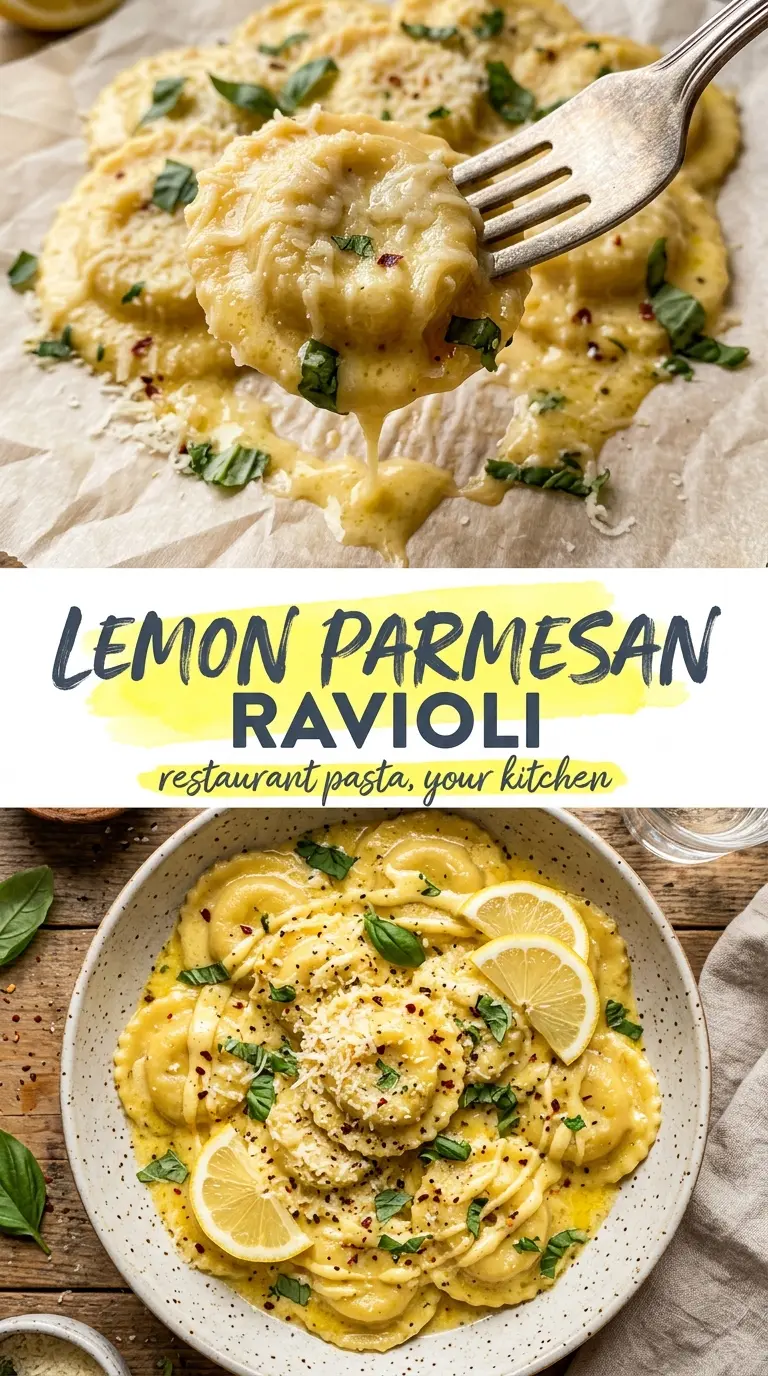
- Fresh or frozen cheese ravioli — Fresh ravioli gives you the softest bite and cooks fast, but frozen works well too if you cook it just until it floats and turns tender. Overcooked ravioli splits easily, so watch the pot closely near the end.
- Butter — This is the base of the sauce, and it carries the garlic, lemon, and parmesan. Use real butter here; it makes the sauce taste rounded instead of sharp. If you want a deeper, nuttier note, let it foam and take on just a touch of blond color before adding the garlic.
- Garlic — One minute is enough. If it browns, the sauce takes on bitterness that fights the lemon. Minced garlic works better than sliced here because it disappears into the sauce instead of distracting from the silky texture.
- Lemon zest and juice — Zest gives you the bright citrus aroma, and juice brings the acidity that cuts through the butter and cream. Fresh lemon matters more than bottled juice, which tastes flat and a little metallic. Add the zest before the juice so it blooms in the warm fat.
- Parmesan — Grate it yourself if you can. Pre-grated cheese often contains anti-caking agents that make the sauce less smooth. Finely grated parmesan melts fastest and gives you those little savory threads you want clinging to the pasta.
- Heavy cream — The cream softens the lemon and helps the sauce stay stable. You don’t need much; it’s there to round the edges, not to turn this into a heavy cream sauce. Half-and-half can work in a pinch, but the sauce will be a little less rich and a little easier to break.
- Red pepper flakes — Just enough to wake up the sauce without turning it spicy. They add a faint heat on the back end that keeps the dish from tasting one-note.
- Fresh basil — Basil is the finishing touch that makes the whole bowl taste brighter. Tear it or slice it just before serving so it stays fragrant and doesn’t darken.
Building the Sauce in the Right Order
Cook the ravioli first
Get a pot of salted water boiling before you start the sauce. Ravioli doesn’t need a long cook, and fresh pasta can go from tender to fragile in a minute. Reserve at least half a cup of pasta water before you drain it, because that starch is what helps the sauce cling instead of sliding off the pasta.
Wake up the butter and garlic
Melt the butter in a wide pan over medium heat, then add the garlic and cook it just until fragrant. You want the garlic to smell sweet and sharp, not toasted. A wide pan matters here because it gives the sauce room to reduce a little while the ravioli stays intact.
Finish the sauce off the heat
Stir in the lemon zest and juice for about 30 seconds, then lower the heat before adding the cream and parmesan. If the pan is raging hot when the cheese goes in, the sauce can seize. Add a splash of pasta water as needed until the sauce looks glossy and lightly coats a spoon.
Toss gently and serve right away
Add the drained ravioli and fold it through the sauce with a soft spatula or spoon. Don’t stir aggressively or you’ll tear the pasta. The finished sauce should pool lightly around the ravioli, not drown it, and the basil and extra parmesan go on immediately while everything is still hot.
How to Adapt This for Different Kitchens and Dietary Needs
Make it vegetarian-friendly without changing a thing
This dish is already vegetarian as long as your ravioli and parmesan are made without animal rennet. If you’re buying packaged ravioli, check the label once and you’re set. The sauce itself doesn’t need any adjustment.
Make it lighter with half-and-half
Half-and-half can replace the heavy cream if you want a lighter sauce, but use a little more pasta water to help the texture stay silky. The sauce won’t feel quite as lush, but it still clings well and tastes clean and bright.
Use tortellini when that’s what you have
Cheese tortellini works with the same sauce and gives you a slightly fuller, more substantial bite. Keep the cooking time conservative because filled pasta breaks once it goes past tender.
Storage and Reheating
- Refrigerator: Store leftovers in an airtight container for up to 3 days. The sauce thickens as it chills, so expect it to look a little tighter the next day.
- Freezer: Freezing isn’t ideal because the cream and parmesan sauce can separate and the ravioli texture softens too much. If you need to freeze anything, freeze the cooked ravioli and make the sauce fresh.
- Reheating: Reheat gently in a skillet over low heat with a splash of water or milk. High heat is what breaks the sauce and makes the pasta gummy, so keep the burner low and stir softly until warmed through.
Answers to the Questions Worth Asking
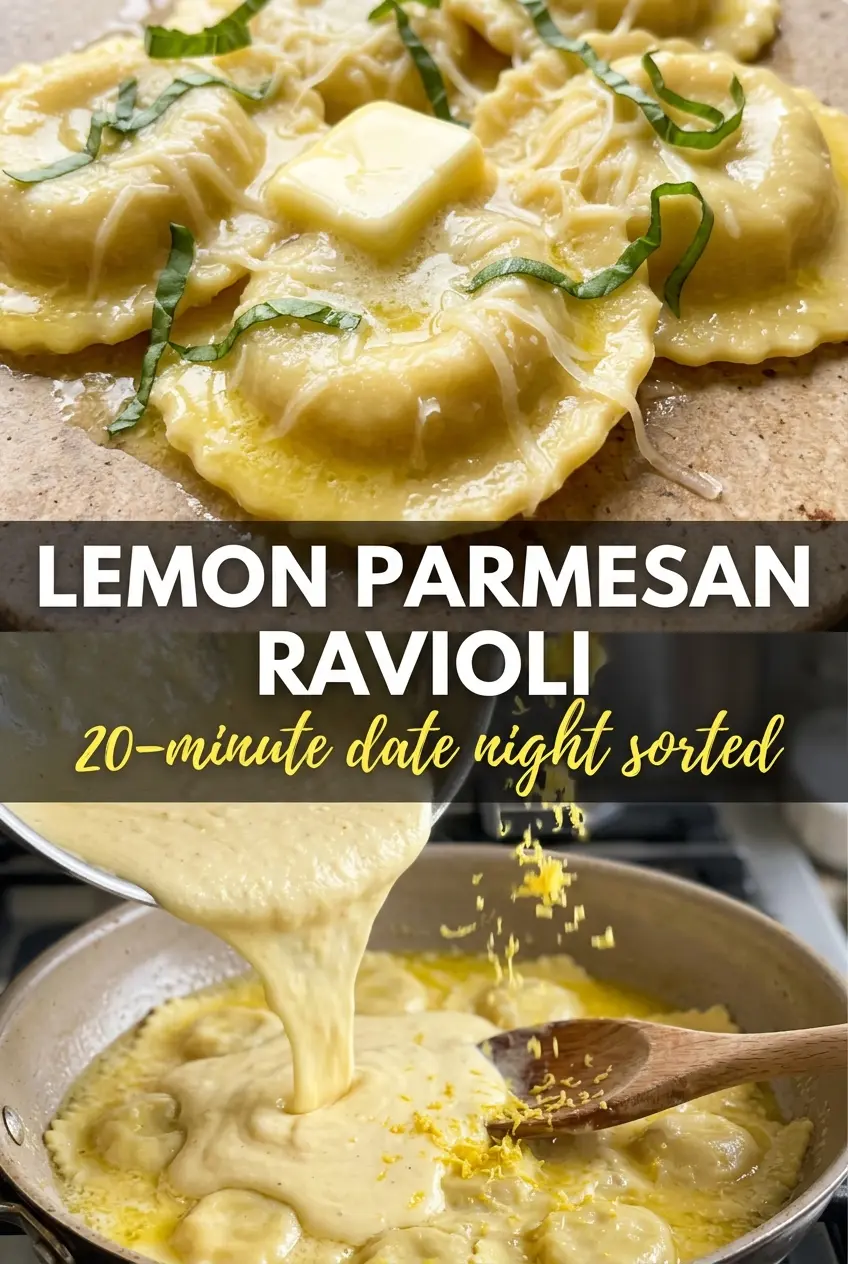
Ravioli in Lemon Parmesan Butter
Ingredients
Equipment
Method
- Bring a pot of salted water to a boil and cook ravioli according to package instructions, until tender. Before draining, reserve 1/2 cup pasta water so you can loosen the sauce.
- Melt butter in a wide pan over medium heat. Sauté minced garlic for 1 minute, until fragrant and lightly softened.
- Add lemon zest and lemon juice to the pan and swirl for 30 seconds. Keep heat at medium so the citrus stays bright without scorching.
- Stir in heavy cream and grated parmesan and cook until a sauce forms. Add reserved pasta water a splash at a time to loosen into a glossy, pourable consistency.
- Add drained ravioli to the sauce and toss gently until every fold is coated. Turn off heat immediately once coated to keep ravioli tender.
- Plate and top with fresh basil, extra parmesan, and red pepper flakes. Serve immediately so the sauce clings while it’s silky.
- Reserve that pasta water—it’s the secret to a silky sauce. If using fresh ravioli, it often cooks in about 3 minutes; if frozen, follow package timing and keep the sauce warm while you drain.