
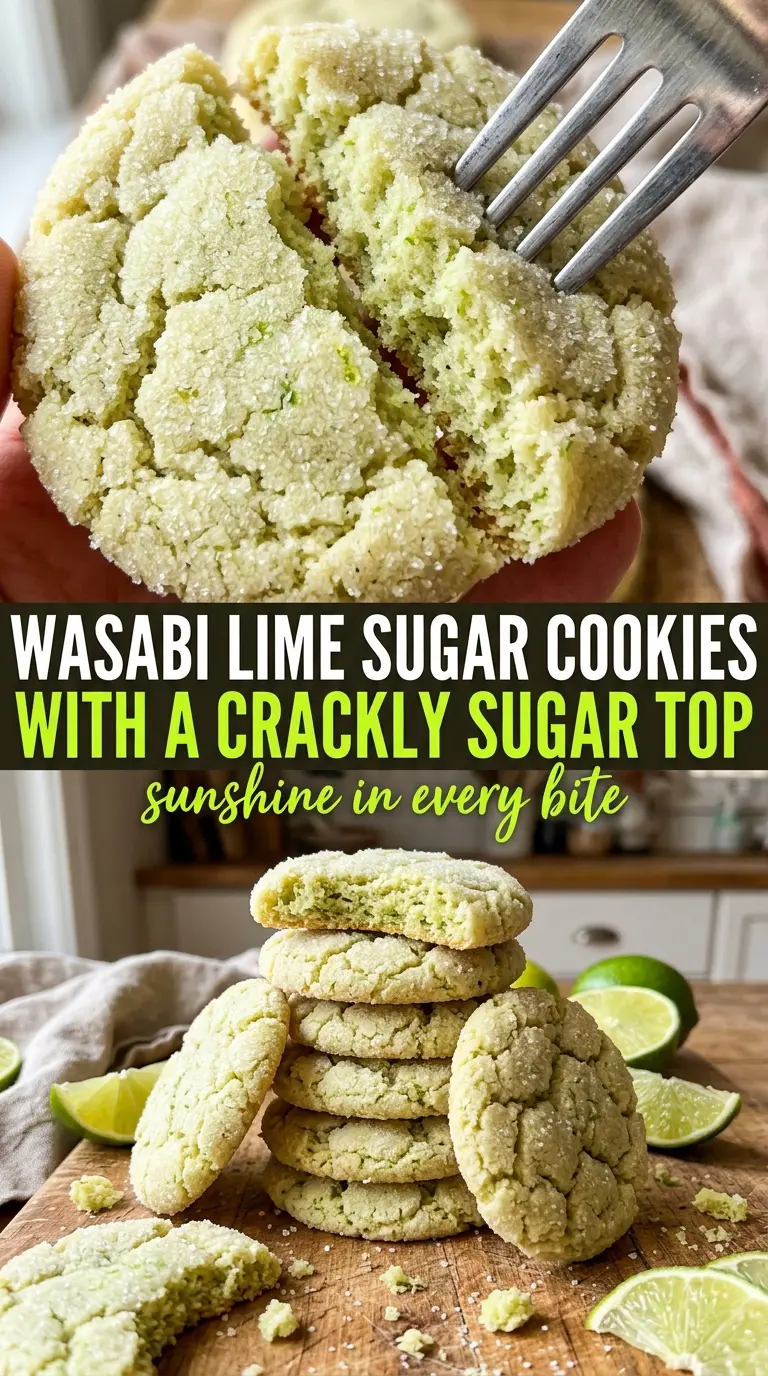
Lime sugar cookies bring the kind of soft, chewy bite that disappears fast from a cooling rack. The cake mix gives them a tender, almost pillowy crumb, while fresh lime zest keeps them from tasting flat or one-note. Rolled in sugar before baking, they come out with a crackly top and just enough sparkle to make every bite feel a little special.
The trick here is in the balance: box mix handles the structure, eggs add richness, and oil keeps the texture soft instead of cakey. Fresh zest does the work that bottled flavoring can’t, because it gives you that bright citrus aroma right in the dough and again in the sugar coating if you want to lean into it. The cookies bake quickly, which means the line between set and overdone is short. Pull them when the tops are cracked and the edges look just set.
The cookies stayed soft for days and the lime zest in the sugar coating gave them a brighter citrus taste than I expected. Mine cracked on top right at 9 minutes, and the texture was perfect.
These lime sugar cookies stay soft, crack beautifully, and take only a few pantry staples.
The Shortcut That Keeps Lime Sugar Cookies Soft, Not Dry
Box-mix cookies can turn dry fast if you treat them like scratch dough. The mix already has flour, sugar, leavening, and flavor built in, so the goal isn’t to develop anything. It’s to hydrate it just enough and stop before the dough gets stiff. If you mix until the dough looks smooth and overwork it trying to eliminate every streak, the cookies bake up tougher and flatter than they should.
Lime zest matters more than people expect in a short ingredient list. Cake mix gives you sweetness, but zest gives you the lift that keeps the cookie from tasting heavy. The sugar coating isn’t just for looks either; it adds a fine crunchy shell that contrasts with the soft center and helps the tops crack in the oven.
What Each Ingredient Is Actually Doing in These Cookies
- Lime-flavored cake mix — This is the base, the sweetener, and the leavener all in one. A standard yellow or white cake mix works if that’s what you have, but the lime version gives the most direct citrus flavor without extra work.
- Eggs — They bind the dough and give the cookies their tender chew. Two large eggs are the right amount here; fewer and the dough feels crumbly, more and it gets cakier.
- Vegetable oil — Oil keeps these cookies soft for days in a way butter doesn’t quite match. Melted butter can work, but the cookies will spread more and lose some of that plush texture.
- Fresh lime zest — This is the ingredient that wakes everything up. If you skip it, the cookies still work, but they taste much flatter, and the sugar coating won’t have that bright citrus edge.
- Granulated sugar — The outside coating gives you the crackly finish and a little crunch. If you want a stronger lime note, rub a little zest into the sugar with your fingers before rolling the dough.
Building the Dough and Knowing When to Stop
Mixing the Dough Just Until It Comes Together
Stir the cake mix, eggs, oil, and zest until a soft dough forms. It will look a little sticky and thick, not like a traditional rolled sugar cookie dough. That’s normal. The common mistake here is mixing until the dough feels dense and perfectly uniform, which pushes these cookies toward a tighter crumb. Stop as soon as the dry mix disappears.
Rolling and Coating for the Best Crust
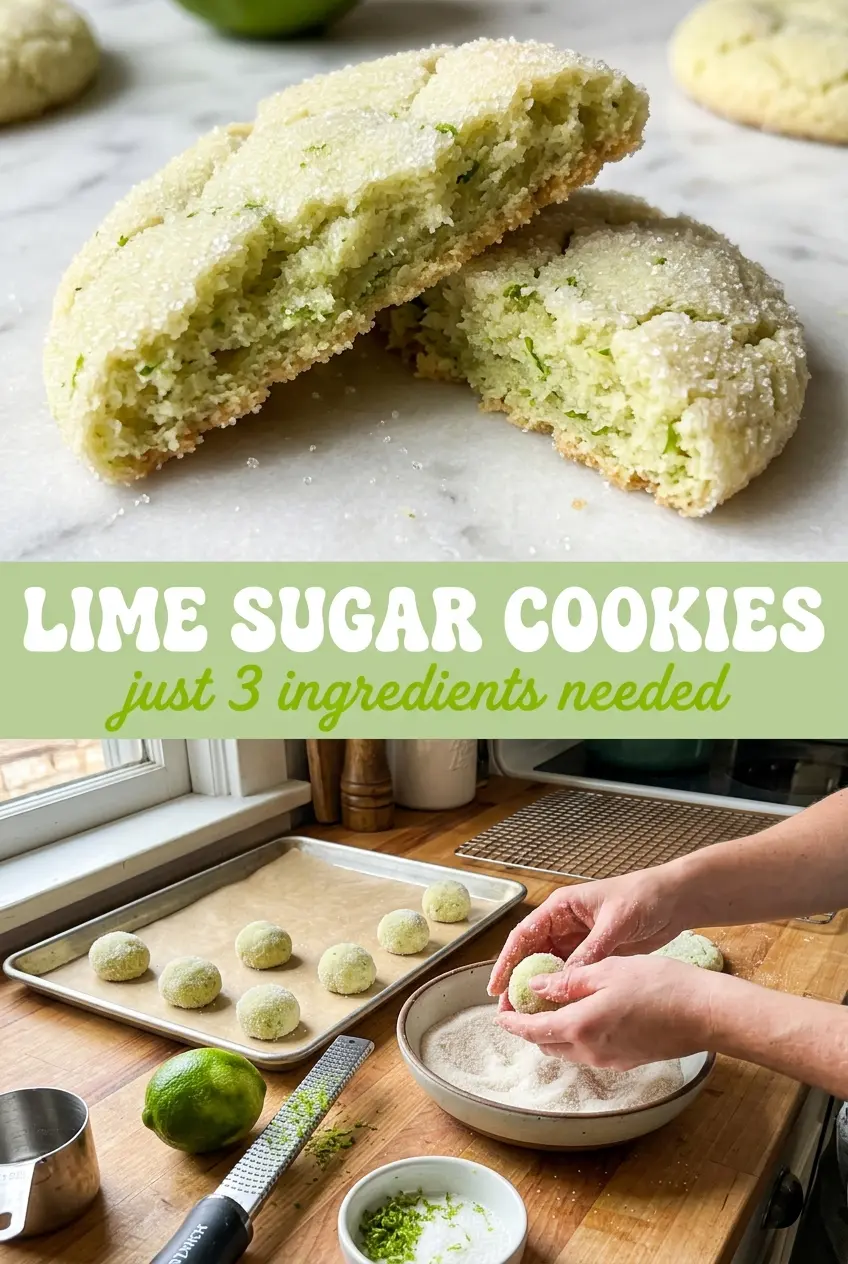
Roll the dough into even balls, then coat them generously in sugar. The sugar should cling in a thick layer, not just dust the outside. That coating helps the cookies crack on top as they bake and keeps the exterior from setting too fast. If the dough sticks to your hands, lightly dampen your palms or chill it for 10 minutes.
Baking for Soft Centers
Bake at 350°F until the tops crack and the edges are just set, usually 8 to 10 minutes. The centers should still look a little soft when you pull them out. If you wait for them to look fully done in the oven, they’ll end up dry after cooling. Let them rest on the pan for 5 minutes so they can finish setting without overbaking.
Three Easy Ways to Adjust These Cookies Without Losing What Makes Them Good
Make Them Extra-Limey
Add the zest of a second lime and rub some of it into the sugar before rolling the dough. That gives you a brighter aroma and a more noticeable citrus finish without changing the texture.
Swap the Cake Mix Flavor
A white or yellow cake mix works if lime mix isn’t on the shelf. The cookies will taste a little less punchy, so keep the fresh zest in place and consider adding a tiny drop of lime extract if you want the flavor to stand out more.
Gluten-Free Version
Use a gluten-free cake mix in the same amount and keep everything else the same. The texture may be slightly more delicate, so give the cookies an extra minute on the pan before moving them to a rack.
Storage and Reheating
- Refrigerator: Store in an airtight container for up to 5 days. The sugar coating softens a little after the first day, but the cookies stay chewy.
- Freezer: These freeze well baked or as dough balls. Freeze baked cookies in a single layer, then bag them; thaw at room temperature. For dough, freeze the coated balls on a tray and bake from frozen with 1 to 2 extra minutes.
- Reheating: Warm baked cookies for 5 to 8 seconds in the microwave if you want them softer. Don’t overheat them or the sugar coating will melt and the centers can turn dry.
Questions I Get Asked About This Recipe
Lime Sugar Cookies
Ingredients
Equipment
Method
- Preheat the oven to 350°F and line baking sheets with parchment to prevent sticking.
- Mix the lime-flavored cake mix, eggs, vegetable oil, and lime zest until a soft dough forms.
- Roll the dough into balls, then coat generously in granulated sugar for a crackly top.
- Place the dough balls on the baking sheets, spacing 2 inches apart to allow spreading.
- Bake for 8-10 minutes at 350°F until the tops crack and the edges are just set.
- Cool on the pan for 5 minutes before transferring to a rack to finish setting without drying out.