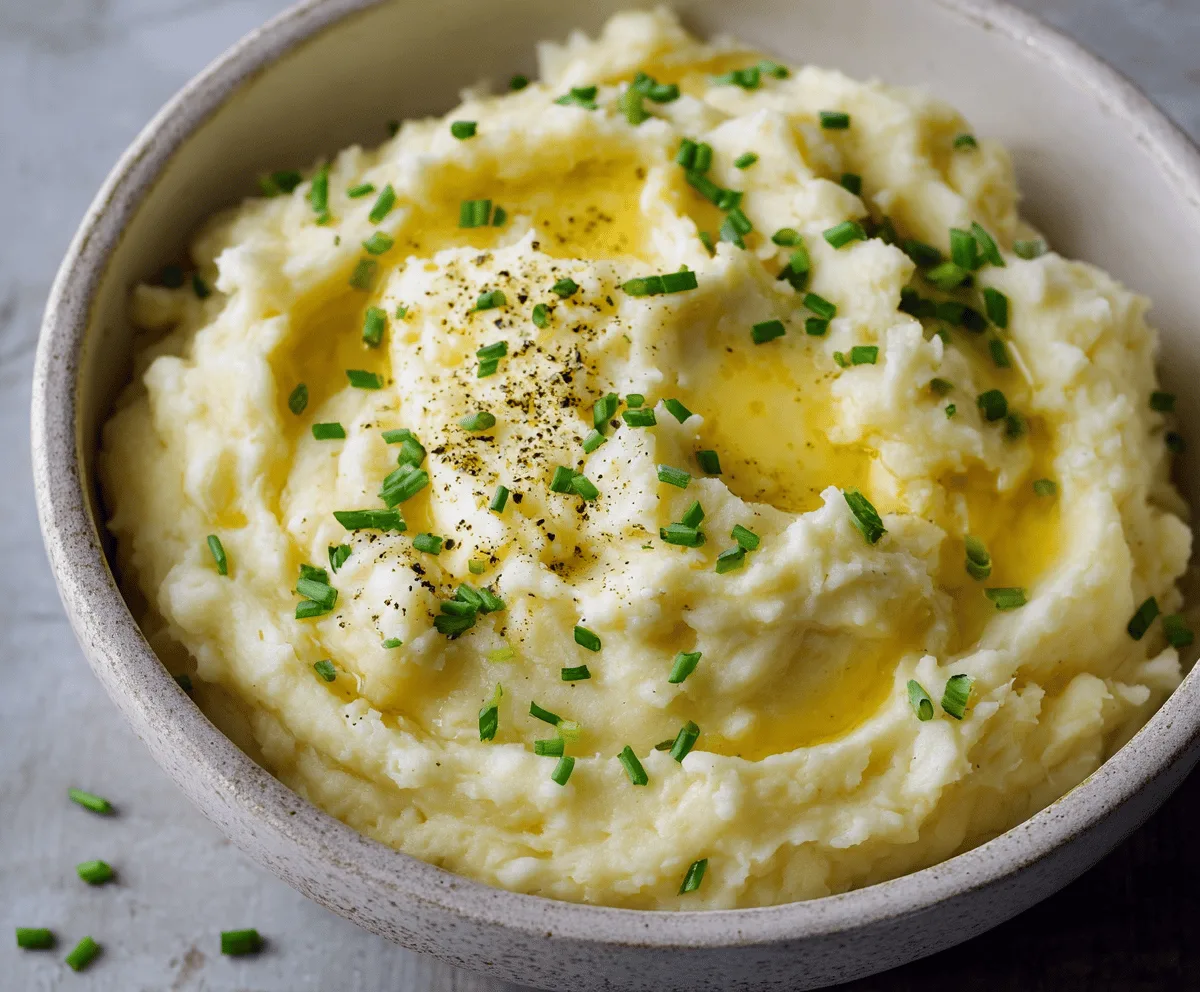
Mashed potatoes are a classic comfort food made from boiled potatoes that are whipped up until smooth and creamy. Typically, they feature a simple mix of potatoes, butter, milk or cream, and a bit of salt and pepper for flavor. The result is a soft, fluffy side dish that feels like a warm hug on your plate.
I love making mashed potatoes because they’re so easy and forgiving—you can make them as light and fluffy or as rich and buttery as you like. My little tip is to start with good starchy potatoes like Russets or Yukon Golds to get that perfect texture. Sometimes I add a touch of garlic or fresh herbs to make them extra special, but plain is always satisfying too.
One of my favorite ways to serve mashed potatoes is alongside a roast or with gravy poured right on top. They’re also great on Thanksgiving or any meal where you want something simple and delicious that everyone will enjoy. Honestly, there’s nothing better than digging into a bowl of creamy mashed potatoes and feeling instantly cozy.
Key Ingredients & Substitutions
Potatoes: Russet potatoes are great for fluffiness, while Yukon Golds add a creamy texture and buttery taste. If you prefer a denser mash, Yukon Golds are my go-to. Sweet potatoes can be a tasty alternative too.
Butter: Unsalted butter lets you control the saltiness. You can use salted butter, but reduce added salt in the recipe. For dairy-free, try olive oil or a plant-based spread instead.
Milk: Whole milk adds creaminess and richness. You can swap in cream, half-and-half, or a plant-based milk like almond or oat milk for a lighter or dairy-free option. Warm the milk to keep potatoes hot and fluffy.
Seasoning: Simple salt and pepper work best. I sometimes add garlic powder or fresh herbs like chives or parsley to change up the flavor.
How Do You Make Mashed Potatoes Creamy Without Them Getting Gluey?
The key to creamy mashed potatoes is cooking and mashing techniques. Start by boiling potatoes in salted cold water to cook evenly. Drain them well and let steam off moisture before mashing.
- Mash gently using a potato masher or ricer; avoid overworking with a blender or mixer to prevent gluey texture.
- Add warm butter and milk gradually, stirring slowly to absorb liquid evenly.
- If the potatoes feel too stiff, add more warm milk a little at a time until you get the right softness.
- Season last and taste to adjust. Too much stirring after adding liquid can break down starch and make them sticky.
With these simple steps, your mashed potatoes will be creamy, smooth, and light every time.
Equipment You’ll Need
- Large pot – I use a big pot to boil the potatoes evenly and have enough space for them to cook thoroughly.
- Peeler or paring knife – makes peeling the potatoes quick and easy.
- Potato masher or ricer – I love a ricer for super smooth mashed potatoes, but a sturdy masher works well too.
- Measuring cups and spoons – keeps the ingredient ratios just right.
- Serving bowl – a nice bowl makes presentation simple and appealing.
Flavor Variations & Add-Ins
- Garlic and herbs – mix sautéed garlic, chives, or thyme into the mash for extra flavor.
- Cheese – stir in shredded cheddar, Parmesan, or cream cheese for a richer taste.
- Cooked bacon or pancetta – adds a salty crunch that complements the creaminess.
- Sour cream or Greek yogurt – makes the mash tangy and extra creamy, perfect for a tasty twist.
How to Make Mashed Potatoes
Ingredients You’ll Need:
Main Ingredients:
- 2 pounds Russet or Yukon Gold potatoes, peeled and cut into chunks
- 4 tablespoons unsalted butter, plus more for serving
- ½ cup whole milk, warmed (adjust for desired creaminess)
- Salt, to taste
- Freshly ground black pepper, to taste
- Fresh parsley, chopped (for garnish)
How Much Time Will You Need?
This recipe takes about 30 minutes total. Allow 10 minutes for prep, including peeling and cutting the potatoes, and 15-20 minutes for boiling and mashing. It’s a quick and easy dish that you can whip up anytime to make your meal feel cozy and comforting.
Step-by-Step Instructions:
1. Prepare and Boil the Potatoes:
Place the peeled and cut potato chunks into a large pot. Pour in cold water until the potatoes are covered by about an inch. Add a generous pinch of salt to the water. Bring to a boil over high heat, then reduce the heat and simmer the potatoes until they’re very tender when you poke them with a fork, about 15-20 minutes.
2. Drain and Mash:
Drain the potatoes well and return them to the pot. Let them sit for a minute or two so some steam escapes—this helps prevent them from becoming watery. Then, using a potato masher or ricer, mash the potatoes until mostly smooth.
3. Add Butter and Milk:
Stir in the butter until it melts completely and is well combined with the potatoes. Gradually pour in the warm milk while stirring gently until the mashed potatoes reach your preferred creamy texture.
4. Season and Serve:
Season with salt and freshly ground black pepper to taste. Transfer the mashed potatoes into a serving bowl. Add a pat of butter on top to melt in and sprinkle chopped fresh parsley for a lovely finish. Serve warm alongside your favorite dishes.
Can I Use Frozen Potatoes for Mashed Potatoes?
It’s best to use fresh potatoes for the creamiest texture. Frozen potatoes often have excess moisture and can turn mushy when mashed. If using frozen, thaw completely and drain any liquid before mashing.
How Can I Make Mashed Potatoes Ahead of Time?
You can prepare mashed potatoes up to a day in advance. Store them in an airtight container in the fridge. Reheat gently on the stove over low heat, stirring occasionally and adding a splash of warm milk or butter to refresh the creamy texture.
What’s the Best Way to Mash Potatoes for This Recipe?
A potato masher or ricer works best to achieve smooth, fluffy mashed potatoes. Avoid using a blender or food processor, as over-processing can make them gluey and dense.
Can I Substitute Milk with Non-Dairy Alternatives?
Yes! Warmed plant-based milks like almond, oat, or soy milk work well as substitutes. Just make sure they’re unsweetened and plain to keep the savory flavor.