
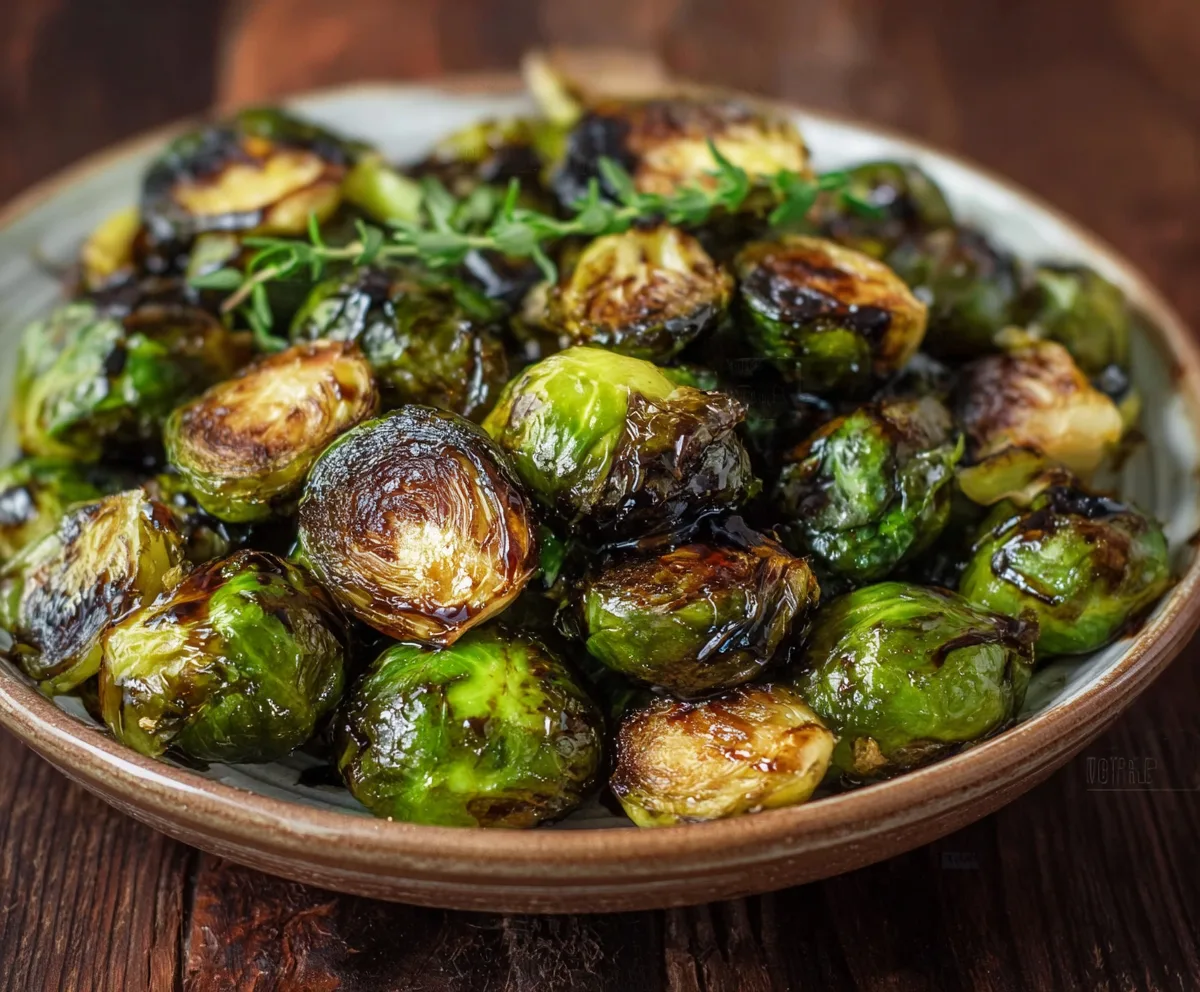
Roasted Brussels Sprouts with Balsamic Glaze is a simple, tasty dish that highlights the nutty, crispy edges of the sprouts paired with the rich sweetness of balsamic vinegar reduction. The sprouts get perfectly caramelized in the oven, giving them a deep, satisfying flavor, while the balsamic glaze adds a tangy and slightly sweet finish that makes them hard to put down.
I love making this dish when I want a healthy side that actually feels like a treat. Roasting brings out a whole new level of deliciousness in the Brussels sprouts, and that balsamic glaze is my secret weapon to turning even the pickiest eaters into fans. I always drizzle just enough glaze at the end so it doesn’t overpower the sprouts but adds that lovely punch.
My favorite way to serve these is right alongside roasted chicken or with a bowl of pasta for an easy weeknight meal. They’re also great for holiday dinners because they look so fancy but are really simple to make. Whenever I bring this dish to gatherings, it tends to disappear quickly, so I make a big batch to make sure everyone gets their share!
Key Ingredients & Substitutions
Brussels sprouts: These little green veggies are the star here. Choose firm sprouts with tight leaves for the best texture. If you can’t find fresh ones, frozen works, though roasting fresh gives better caramelization.
Olive oil: I use extra virgin olive oil for a nice flavor, but any neutral oil like avocado or canola works too. It helps the sprouts crisp up nicely in the oven.
Balsamic vinegar: This adds a tangy sweetness that balances the bitterness of the sprouts. If you don’t have balsamic, you could try a mix of red wine vinegar and a bit of honey, but balsamic glaze is unique in flavor.
Honey or brown sugar: These are optional for sweetening the glaze. If you prefer a less sweet glaze, you can skip them or substitute with maple syrup.
How Do I Get Brussels Sprouts Crispy and Not Soggy?
Getting a nice crispy texture is key to enjoying roasted Brussels sprouts. Here’s how I do it:
- Trim and halve the sprouts so they cook evenly and crisp up on the cut side.
- Toss them with enough oil to coat every piece but not so much that they’re swimming in it.
- Place them cut-side down on the baking sheet — this ensures direct contact with the hot surface, creating that golden-brown caramelization.
- Use a hot oven (around 400°F or 200°C) to get a crisp outside without drying out the inside.
- Roast for 20-25 minutes and toss halfway – this helps all sides brown evenly without turning mushy.
Following these tips, your sprouts should come out tender inside and crisp on the outside every time!
Equipment You’ll Need
- Large mixing bowl – I like using a big bowl to toss the sprouts evenly with oil and seasonings.
- Baking sheet – a rimmed sheet works best to hold the sprouts and catch drips while roasting.
- Parchment paper or foil – makes cleanup easy and prevents sticking.
- Saucepan – for simmering and thickening the balsamic vinegar into a glaze.
- Stirring spoon – to stir and ensure the glaze reduces evenly.
Flavor Variations & Add-Ins
- Adding crumbled feta or goat cheese on top gives a creamy, salty contrast to the sweet glaze.
- Sprinkle chopped walnuts or pecans after roasting for a crunchy texture and nutty flavor.
- Mix in cooked bacon bits or pancetta for a smoky, savory touch.
- Swapping balsamic vinegar for apple cider vinegar can give a brighter, fruitier flavor to the glaze.
Roasted Brussels Sprouts with Balsamic Glaze
Ingredients You’ll Need:
- 1 lb Brussels sprouts, trimmed and halved
- 2 tbsp olive oil
- Salt, to taste
- Black pepper, to taste
- 1/4 cup balsamic vinegar
- 1 tbsp honey or brown sugar (optional for sweeter glaze)
How Much Time Will You Need?
This recipe takes about 10 minutes to prepare and around 25 minutes to roast the sprouts. You’ll also need about 5-7 minutes to make the balsamic glaze. So, plan for a total of about 40 minutes from start to finish.
Step-by-Step Instructions:
1. Prepare the Brussels Sprouts:
Start by preheating your oven to 400°F (200°C). Rinse the Brussels sprouts well, trim off the ends, and cut each sprout in half lengthwise. This helps them cook evenly and get nice and crispy.
2. Toss and Roast the Sprouts:
In a large bowl, toss the sprouts with olive oil, salt, and freshly ground black pepper until they’re fully coated. Lay them cut-side down on a baking sheet lined with parchment paper or foil to make cleanup easier. Make sure they’re spread out in a single layer so they roast evenly. Roast in the oven for 20-25 minutes, tossing them once halfway through if you like, until they’re golden brown and crispy on the edges.
3. Make the Balsamic Glaze and Serve:
While the sprouts are roasting, pour the balsamic vinegar into a small saucepan. Add honey or brown sugar if you want a sweeter glaze. Bring it to a gentle simmer over medium heat, then reduce the heat to low and stir occasionally. Let it simmer until it thickens into a syrupy consistency, about 5-7 minutes. Be careful not to burn it. When the sprouts are done, transfer them to a serving plate and drizzle the balsamic glaze evenly over the top. Serve warm and enjoy the delicious mix of tangy and caramelized flavors!
Can I Use Frozen Brussels Sprouts for This Recipe?
Yes, you can use frozen Brussels sprouts, but be sure to thaw them completely and pat them dry to avoid extra moisture, which can prevent crispiness. Fresh sprouts generally roast better for that caramelized texture.
How Should I Store Leftovers?
Store leftover roasted Brussels sprouts in an airtight container in the refrigerator for up to 3 days. Reheat them in the oven or a skillet to help restore their crispiness instead of microwaving, which can make them soggy.
Can I Make the Balsamic Glaze Ahead of Time?
Absolutely! You can prepare the balsamic glaze a day or two in advance. Store it in a sealed jar or container in the fridge and gently reheat it before drizzling over the sprouts.
How Can I Adjust the Sweetness of the Balsamic Glaze?
You can skip the honey or brown sugar if you prefer a tangier, less sweet glaze. Alternatively, add more honey or brown sugar gradually while simmering until you reach your desired sweetness.