
Golden corn rounds, charred zucchini, juicy tomatoes, and creamy mozzarella turn a simple platter into the side dish everyone leans toward first. The contrast is what makes it work: smoky edges from the grill, cool milky cheese, sweet tomato bursts, and a glossy balsamic finish that pulls the whole thing together without weighing it down.
The trick is treating each ingredient like it has a job. Corn and zucchini need enough heat to pick up color and soften just past crisp-tender, because undercooked vegetables taste flat on a platter like this. Cherry tomatoes stay raw so they pop against the warm vegetables, and the basil goes on at the end so it stays fragrant instead of wilting into the oil. That little bit of timing is what keeps the platter fresh instead of muddy.
Below, I’ll walk through the part that matters most: how to get enough char for flavor without overcooking the vegetables, plus the small serving detail that makes this taste best when it hits the table.
The corn and zucchini got those nice grill marks without turning mushy, and the balsamic glaze tied everything together. I served it at room temp and the platter disappeared before the main dish.
Save this grilled corn, zucchini, and mozzarella platter for the nights when you want a side that looks elegant but comes together in under 25 minutes.
The Mistake That Makes Veggie Platters Taste Watery Instead of Grilled
The easiest way to ruin a platter like this is to treat the vegetables gently. Corn needs direct heat to pick up sweetness and a little smoke, and zucchini needs enough space to brown instead of steaming. If the pan is crowded, the vegetables release moisture and soften before they can char, which leaves you with something that looks colorful but tastes flat.
Another thing people miss is the serving temperature. This platter is at its best when it’s warm or room temperature, not hot from the grill and not chilled from the fridge. That’s when the tomatoes taste bright, the mozzarella stays creamy, and the balsamic glaze sits on top instead of disappearing into cold vegetables.
- Grill or roast the corn and zucchini in a single layer so the heat can actually hit the surfaces.
- Use enough oil to coat, not soak. Too much oil blocks browning.
- Season the vegetables while they’re still warm so the salt sticks and the flavor lands on the food instead of the platter.
- Let the finished dish sit for a few minutes before serving so the juices settle and the basil stays perky.
What Each Ingredient Is Actually Doing in This Platter
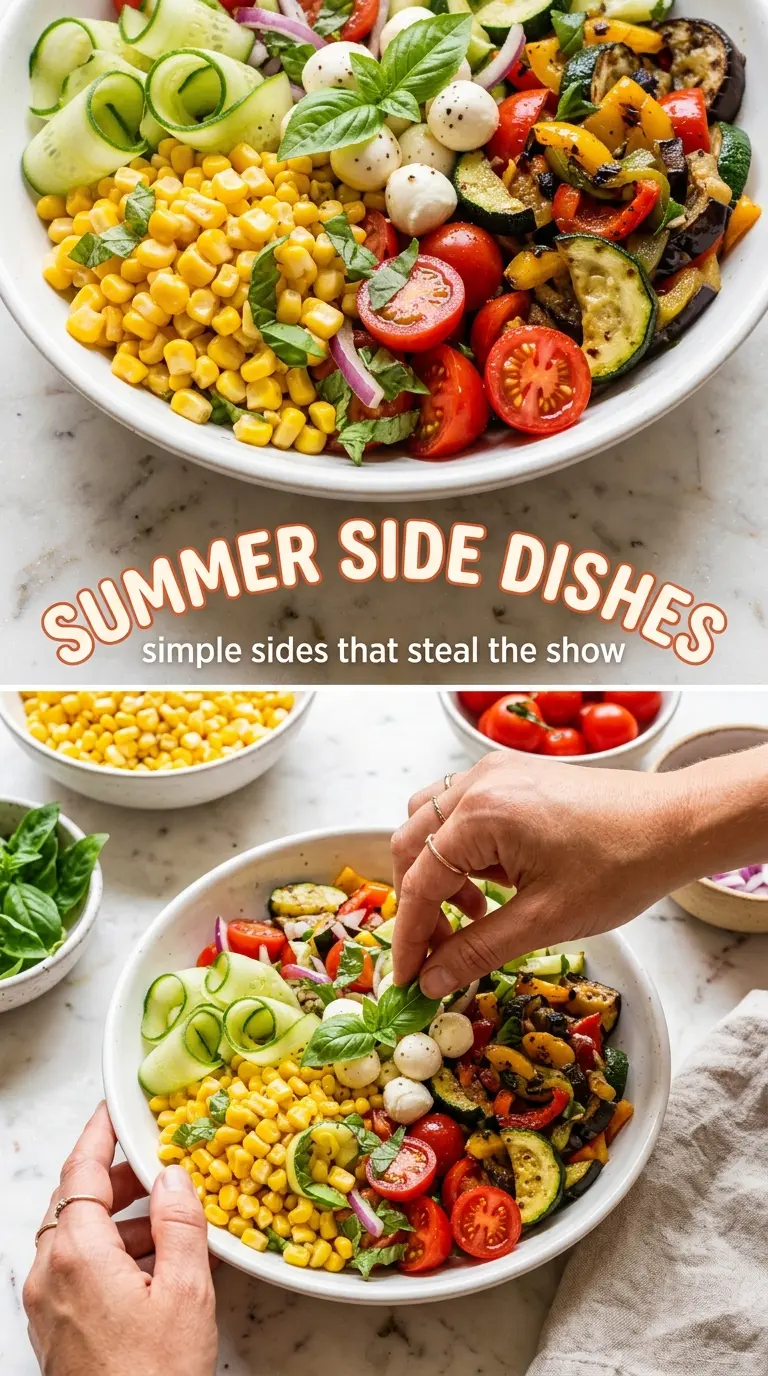
- Corn — Cutting the ears into rounds gives you more exposed edges, which means more caramelization and a better bite than plain kernels. Fresh corn matters here because the natural sweetness balances the olives and balsamic glaze. If you only have frozen corn, use it in a skillet and cook off the moisture until the kernels blister.
- Zucchini — This is the soft, savory part of the platter, but it only works if it gets browned first. Slice it thick enough to stay intact on the platter. Thin slices go limp fast and don’t hold up once the dressing goes on.
- Cherry tomatoes — Leave them raw. Their job is to add juiciness and acidity after the warm vegetables come off the heat. Larger tomatoes can work, but they need to be cut and drained a bit so they don’t flood the platter.
- Fresh mozzarella pearls — The creamy, cool texture is what makes the whole dish feel complete. Mozzarella pearls are easiest because they scatter cleanly and don’t need cutting. If you only have a ball of mozzarella, tear it into rough pieces instead of slicing it.
- Kalamata olives — They bring salt, depth, and a little bitterness that keeps the platter from tasting one-note. If you swap in green olives, the flavor gets sharper and more briny. That works, but it changes the balance.
- Basil — Add it at the end so it stays fresh and fragrant. Torn leaves give you better flavor than whole leaves and look more relaxed on the platter. Dried basil won’t give you the same result here.
- Balsamic glaze — This is the finishing move. Regular balsamic vinegar is thinner and sharper; glaze clings to the vegetables and gives you that glossy, slightly sweet finish. If you only have vinegar, simmer it down until it coats a spoon.
Building the Platter in the Right Order
Get the Char Before You Think About Garnish
Cook the corn rounds and zucchini until they have deep golden spots and the zucchini gives slightly when pressed. You want color first, tenderness second. If the vegetables are still pale, keep going; if the zucchini collapses, it went too far and won’t hold the platter together.
Set the Vegetables Down While They’re Still Warm
Arrange the corn and zucchini on a large platter as soon as they come off the heat. Warm vegetables help the mozzarella soften at the edges and wake up the basil and balsamic glaze. If you let everything cool completely before assembling, the whole platter tastes more muted.
Finish With the Cold Ingredients Last
Scatter the cherry tomatoes, mozzarella pearls, and olives over the warm vegetables, then add the basil. Drizzle the oil and balsamic glaze over the top right before serving so the platter looks glossy and fresh. Salt and pepper go on at the end, after everything is assembled, so you can taste the balance instead of over-seasoning the vegetables on their own.
Three Ways to Adjust the Platter Without Losing What Makes It Work
Make It Dairy-Free
Skip the mozzarella and add creamy avocado chunks right before serving, or use a dairy-free mozzarella that holds its shape well. You lose a little of the salty milky contrast, so lean on extra basil and a good balsamic glaze to keep the platter feeling full.
Turn It Into a Gluten-Free Meal Side
This is naturally gluten-free as written, which is part of why it works so well as a party platter. If you want it to feel more substantial, add chickpeas or white beans on the platter after they’ve been tossed with olive oil, salt, and pepper. That keeps the same bright profile while adding more protein and bite.
Swap the Grilled Vegetables for Roasted
If you don’t want to fire up the grill, roast the corn rounds and zucchini at high heat until the edges brown. You’ll lose a little of the smoky flavor, but the caramelization still gives the platter the right backbone. A final pinch of red pepper flakes helps replace the grill’s little bit of bite.
Storage and Reheating
- Refrigerator: Store leftovers up to 2 days. The tomatoes will soften and the basil will darken, so the platter won’t look as fresh as it did on day one.
- Freezer: Don’t freeze it. The zucchini, tomatoes, and mozzarella all turn watery or grainy after thawing.
- Reheating: Warm only the grilled corn and zucchini gently in a skillet or low oven, then reassemble with the tomatoes, mozzarella, basil, and glaze after heating. Reheating the whole platter together makes the cheese rubbery and the tomatoes collapse.
Answers to the Questions Worth Asking
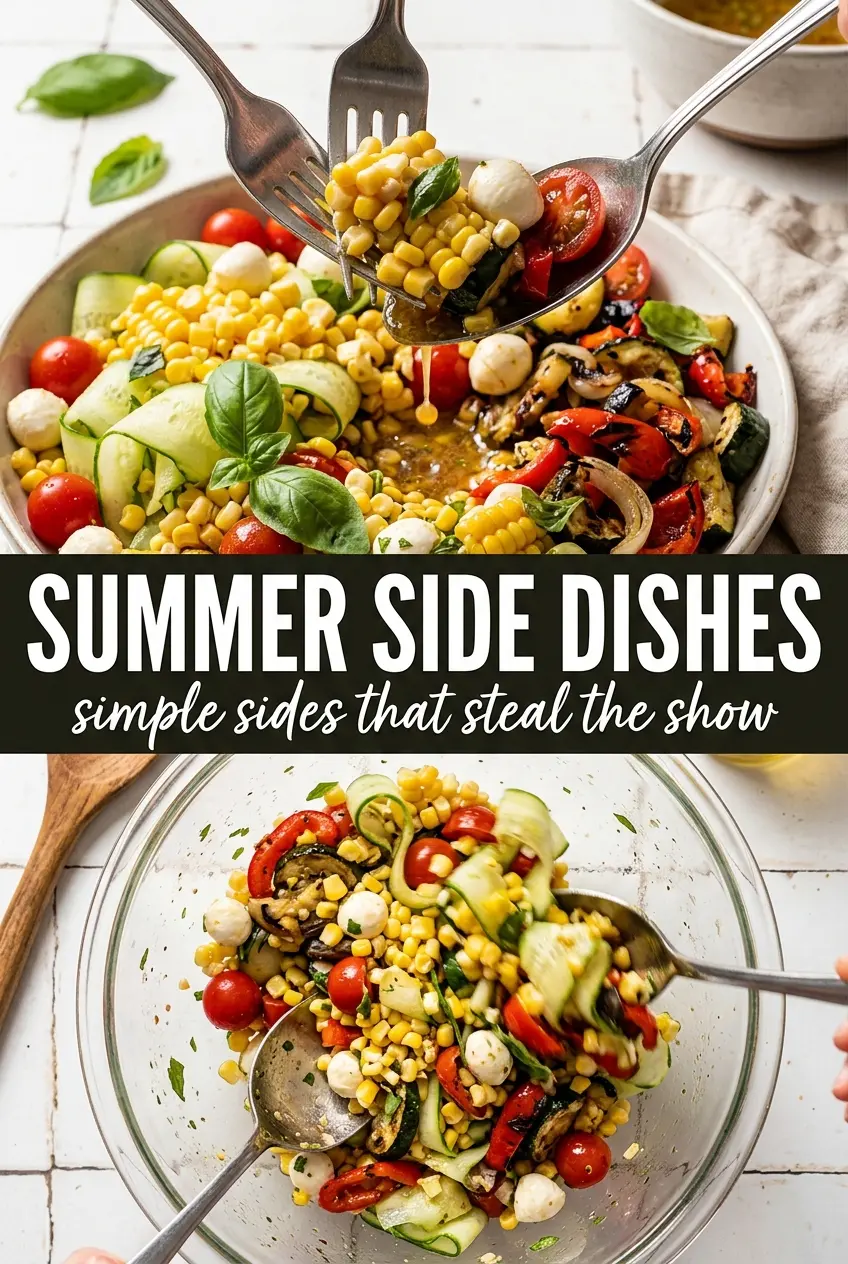
Summer Side Dishes Platter
Ingredients
Equipment
Method
- Preheat a cast iron skillet or heat a sheet pan in a hot oven, then grill or roast the corn rounds and zucchini slices until tender with clear char marks, about 15 minutes. Flip once halfway so both sides brown evenly.
- Arrange the grilled corn rounds and zucchini on a large platter, then add cherry tomatoes, mozzarella pearls, and Kalamata olives. Spread everything out so the colors and textures show.
- Scatter fresh basil leaves generously over the platter for a fresh herbal layer.
- Drizzle with olive oil and balsamic glaze, then season with salt, pepper, and red pepper flakes to taste. Serve right away or at room temperature for the best flavor balance.