
Apple cider donut flavor shows up here in cake form, with all the same cozy cinnamon warmth and none of the fuss of frying. The crumb stays tender and moist, the edges bake up with a little sugar-crusted depth, and the glaze settles into every ridge of the pan so each slice tastes like it came straight from a cider mill bakery case. It’s the kind of dessert that disappears fast because it feels familiar, but the bundt shape makes it look like you worked much harder than you did.
The detail that matters most is reducing the cider before it goes into the batter. That step pulls the flavor closer to what you get in a real apple cider donut instead of a cake that just happens to have cider in it. Sour cream keeps the crumb soft without making it dense, and the butter-and-brown-sugar base gives the cake that deep, almost caramel-like note that works so well with cinnamon.
Below, I’ve included the one pan-prep trick that keeps a bundt from sticking, plus the small timing cue that tells you when to glaze so it drips beautifully instead of melting off the cake.
The cider flavor came through beautifully, and the glaze set up just enough to stay on the cake instead of running everywhere. I also loved that the crumb stayed soft for two days.
Apple Cider Donut Bundt Cake has that bakery-style crumb and glossy cider glaze that make it worth saving for dessert nights and holiday brunches.
The Cider Reduction Is What Separates This from a Plain Spice Cake
Most cider cakes taste muted because the liquid goes in straight from the bottle. That sounds fine on paper, but it bakes up like a general spice cake with a hint of apple somewhere in the background. Reducing the cider first changes the whole thing. You end up with a smaller amount of liquid, but the flavor is concentrated enough that it survives the oven and still reads as cider in the finished cake.
The other common problem is a dry bundt. This recipe avoids that by using both butter and sour cream, which work together in different ways. Butter gives flavor and structure. Sour cream brings moisture and a little tang, which keeps the cake from tasting flat under all that cinnamon. If your bundt cakes usually come out crumbly, overbaked, or bland, the issue is usually too much flour, too little fat, or liquid that never had enough flavor to begin with.
What Each Ingredient Is Actually Doing in This Cake
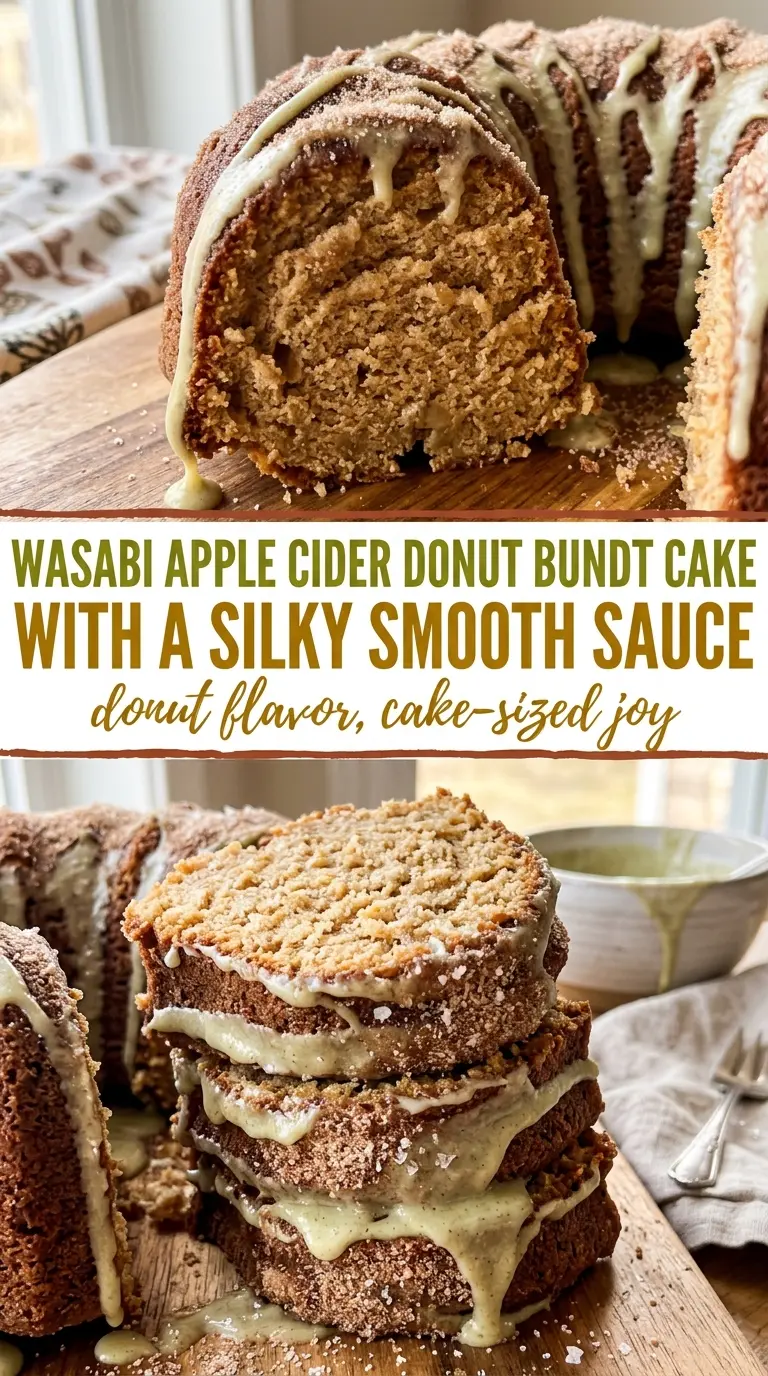
- Apple cider — Reducing it to 1/2 cup is the move that makes this cake taste like cider instead of just sweet spice. If you skip that step, the flavor gets diluted in the batter. Reduce it over medium heat until it smells stronger and looks a little syrupy, then cool it before adding it.
- Brown sugar — This gives the cake a deeper sweetness than plain granulated sugar would. It also helps the crumb stay soft and a little plush. Light or dark brown sugar both work, though dark brown sugar will push the flavor a little more molasses-heavy.
- Sour cream — This is the moisture insurance. It keeps the cake tender and helps the crumb stay fine instead of coarse. Full-fat sour cream gives the best texture, but plain Greek yogurt works in a pinch if you want a similar tang.
- Cinnamon — Cinnamon is doing more than seasoning here; it makes the cider flavor read the way a donut shop version does. Fresh cinnamon matters more than usual because it’s such a dominant note. If yours has been sitting in the cabinet for years, replace it.
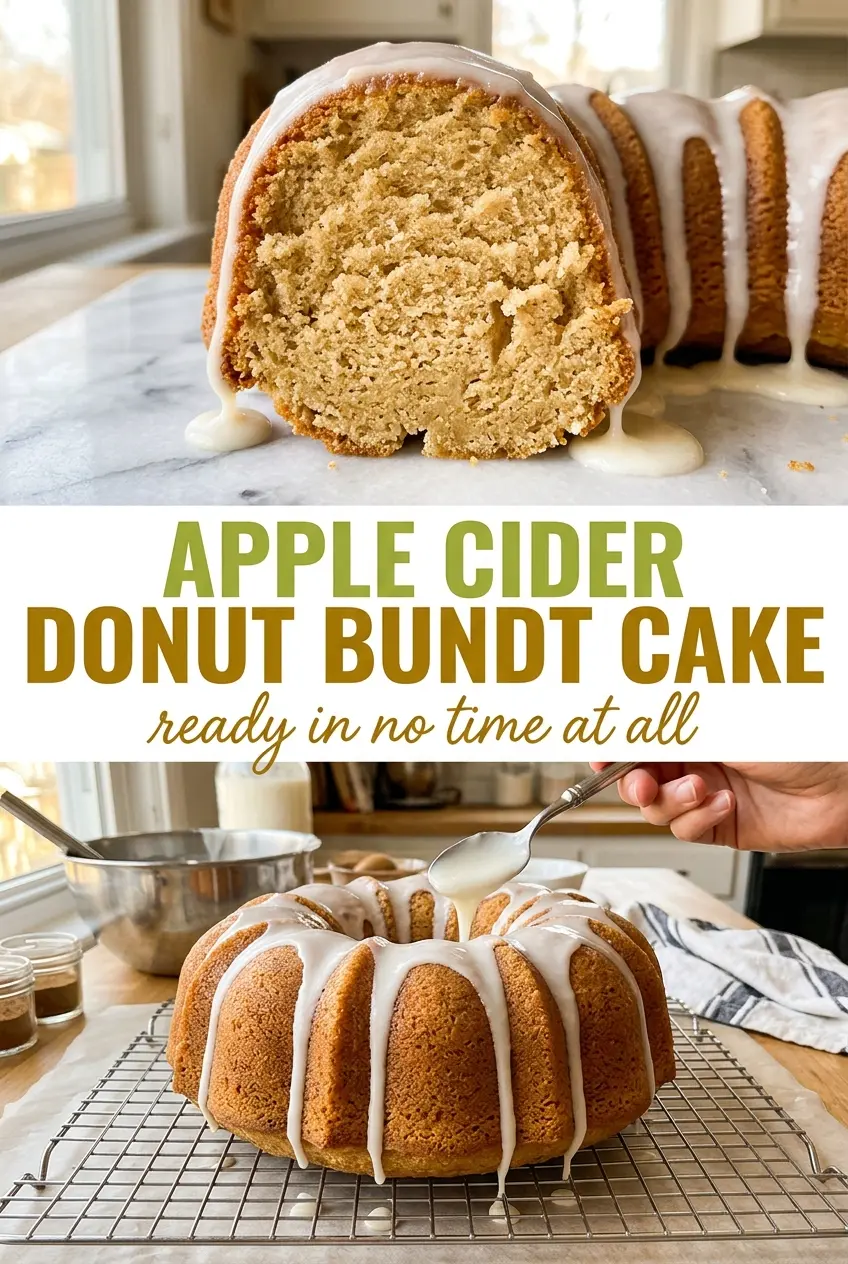
- Powdered sugar glaze — This is what gives the cake that finished bakery look and a little sweetness in every bite. Start with less cider than you think, then whisk until it’s thick enough to ribbon off the spoon. Too thin, and it will slide off the bundt instead of clinging to the ridges.
Building the Batter So the Crumb Stays Tender
Starting with the Butter and Sugar
Cream the butter and brown sugar until the mixture looks pale and fluffy, not greasy or dense. That step traps air, which helps the cake rise without becoming heavy. If the butter is too cold, it won’t whip properly; if it’s melted, the cake loses that lift and bakes up tighter than you want.
Adding the Eggs One at a Time
Beat in each egg separately so the batter stays smooth and emulsified. If you dump them all in at once, the mixture can look split and grainy before the flour even goes in. That doesn’t mean the cake is ruined, but it does make it harder to get a fine crumb.
Alternating the Dry Ingredients with the Cider and Sour Cream
Add the flour mixture in batches, alternating with the reduced cider and sour cream. This keeps the batter from seizing up and helps everything mix evenly without overworking the gluten. Stop mixing as soon as the last streaks of flour disappear. If you keep going, the cake will bake up tougher and less tender around the edges.
Knowing When the Bundt Is Done
Bake until the top springs back lightly and a toothpick comes out clean or with only a few moist crumbs. The center should no longer wobble when you gently nudge the pan. Bundt cakes often overbake because they keep cooking in the pan after you pull them out, so start checking a few minutes early rather than waiting for the full time to pass.
Make It Gluten-Free
Use a 1:1 gluten-free baking blend that includes xanthan gum. The texture will be a little more delicate and slightly less springy, but the cider flavor and glaze still carry the cake beautifully. Don’t swap in almond flour here; it changes the structure too much for a bundt cake.
Dairy-Free Version
Use a plant-based butter that bakes well and replace the sour cream with unsweetened dairy-free yogurt. The cake will still be moist, though the flavor will be a touch less rich than the original. For the glaze, whisk the powdered sugar with a little extra reduced cider instead of milk.
Turn It Into Mini Bundts
Divide the batter among well-greased mini bundt pans and shorten the bake time significantly. Start checking early, because the edges set faster and the centers dry out before you notice. Minis give you more glaze coverage and a sharper cider-donut feel.
Storage and Reheating
- Refrigerator: Store covered for up to 4 days. The crumb stays moist, though the glaze softens a little as it sits.
- Freezer: This cake freezes well without the glaze. Wrap individual slices tightly and freeze for up to 2 months, then glaze after thawing if you want the cleanest finish.
- Reheating: Warm slices briefly in the microwave or at low oven heat. Don’t blast it on high, or the cake dries out around the edges before the center heats through.
Answers to the Questions Worth Asking
Apple Cider Donut Bundt Cake
Ingredients
Equipment
Method
- Preheat the oven to 350°F and grease a bundt pan well so the ridges release cleanly.
- Whisk all-purpose flour, baking powder, baking soda, and cinnamon together until evenly combined and speckled.
- Cream unsalted butter and brown sugar until fluffy, then beat in the eggs one at a time until the mixture looks smooth.
- Alternate adding the dry ingredients with reduced apple cider and sour cream, mixing just until each addition disappears.
- Pour the batter into the bundt pan and smooth the top so it bakes evenly in the ridges.
- Bake for 50-55 minutes at 350°F until a toothpick comes out clean.
- Cool the cake for 15 minutes, then invert onto a plate so the shape holds and the surface ridges are exposed.
- Whisk powdered sugar with apple cider until silky, then drizzle over the cake so the glaze settles into the ridges.