
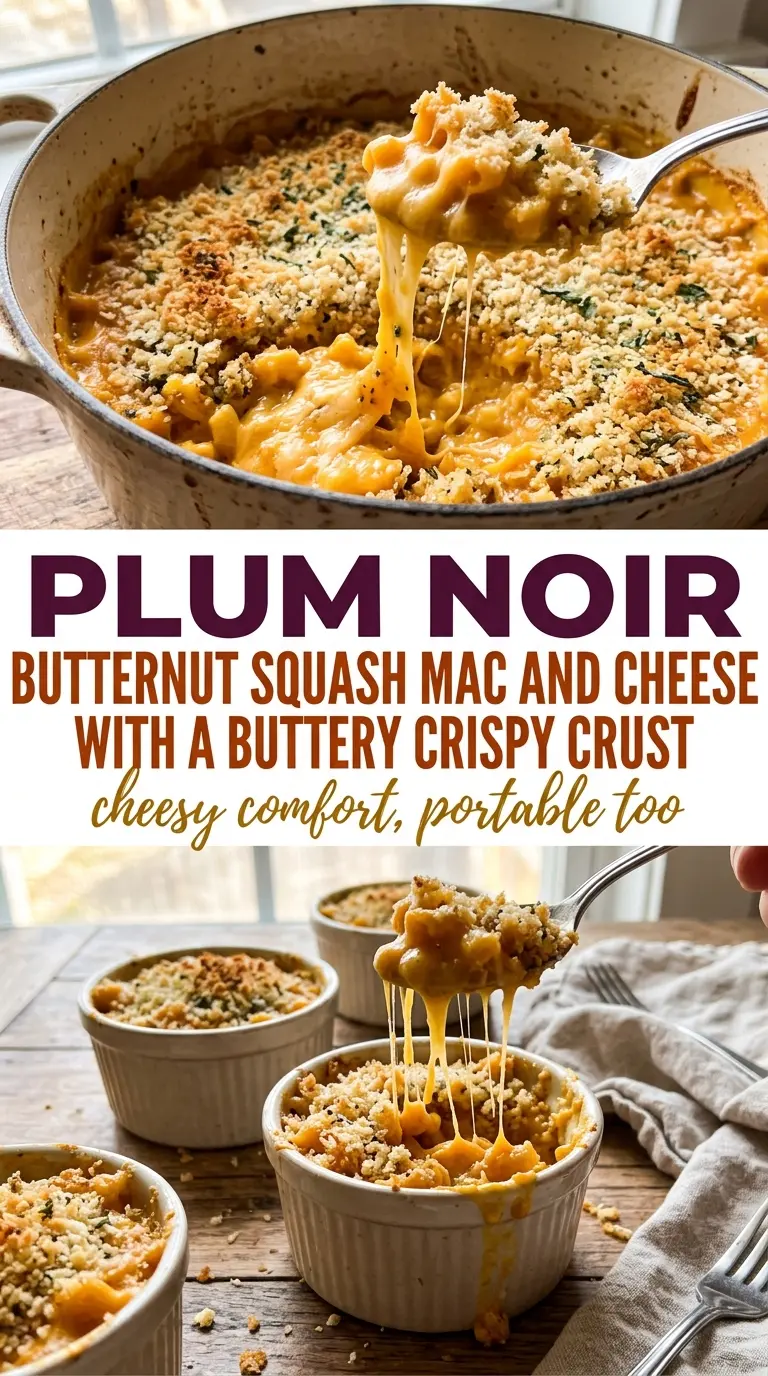
Creamy butternut squash mac and cheese lands with that same comforting pull as the classic version, but the sauce has a deeper, silkier body that clings to every noodle. The squash brings a gentle sweetness that rounds out the sharp cheddar instead of hiding it, and the buttery panko topping gives each scoop a crisp contrast that keeps the casserole from feeling heavy.
The part that makes this version work is balance. The squash puree thickens the sauce without needing a pile of flour, while parmesan adds salt and structure so the cheddar stays bold instead of flat. Nutmeg earns its place here too; you don’t taste it as spice so much as warmth, the kind that makes the whole dish feel finished.
Below you’ll find the small choices that matter most, from keeping the sauce smooth to getting the topping genuinely crisp. If you’ve ever had a baked mac and cheese turn grainy, dry, or bland, the notes under the recipe card will help you avoid all three.
The squash made the sauce extra creamy without tasting sweet, and the panko stayed crunchy even after baking. I served it with roast chicken and everyone went back for seconds.
Butternut squash mac and cheese with a crispy panko top is the kind of bake you’ll want to keep on repeat.
The Reason the Sauce Stays Creamy Instead of Turning Grainy
The easiest way to wreck baked mac and cheese is to let the cheese sauce get too hot once the dairy goes in. Cheese wants gentle heat. If the pan is bubbling hard, the fat separates and you end up with a sauce that looks smooth for a minute, then turns sandy or greasy in the oven. This recipe avoids that by using squash puree as the base, then melting the cheese into a warm, not boiling, mixture.
The other place people go wrong is overdiluting the sauce. The squash should be thick enough to coat a spoon before the macaroni goes in. If it looks loose in the saucepan, it will stay loose in the oven and never really set around the pasta. A properly thick sauce should fall from the spoon in a slow ribbon, not run off like soup.
What Each Ingredient Is Actually Doing in This Dish
- Butternut squash puree — Use a smooth puree, not a chunky mash. Canned puree works fine here and saves time; just avoid pie filling, which is sweetened and seasoned.
- Sharp cheddar — This is the flavor backbone. Mild cheddar will make the dish taste flat, and pre-shredded cheese can make the sauce a little less silky because of the anti-caking coating.
- Parmesan — It adds salt and a firmer cheese note that keeps the sauce from tasting one-dimensional. Freshly grated is best because it melts cleanly.
- Panko breadcrumbs — Regular breadcrumbs work, but panko gives you the light, crisp top that stands up to the creamy filling.
Building the Sauce Before the Oven Takes Over
Cook the Pasta Just to the Edge
Boil the macaroni until it’s just tender with a little bite left in the center. The pasta keeps cooking in the oven, and if you take it all the way to soft on the stove, it turns mushy by the time the top browns. Drain it well so the sauce doesn’t thin out from extra water clinging to the noodles.
Make the Cheese Sauce Low and Slow
Warm the squash puree and milk together first, then add the cheddar and parmesan off the heat or over very low heat. Stir until the cheese disappears into a smooth, thick sauce with no grainy streaks. If the sauce starts to separate, the heat was too high; pull the pan off the burner and stir until it comes back together before adding the pasta.
Finish With the Crispy Top
Once the macaroni is folded into the sauce, transfer it to the baking dish and spread the panko-butter mixture evenly over the surface. The butter helps the crumbs toast instead of drying out. Bake until the edges are bubbling and the top is deeply golden, not pale, because that color is where the crunch lives.
Three Smart Ways to Adapt It Without Losing the Texture
Make it gluten-free
Swap in your favorite gluten-free elbow pasta and use gluten-free breadcrumbs or crushed gluten-free crackers for the topping. The pasta texture will be slightly softer after baking, so pull it from the oven as soon as the center is hot and the top turns golden.
Make it vegetarian without changing the flavor
This version is already vegetarian as written, which is part of why it works so well for a crowd. If you want a little more depth, add a pinch of smoked paprika to the sauce; it nudges the flavor toward a roasted note without covering the squash.
Make it richer for a holiday table
Stir in a handful of cream cheese with the milk if you want an even denser, more luxurious sauce. That swap gives you a tangier, heavier finish, so it’s best when you’re serving small portions alongside roasted meats or other rich sides.
Storage and Reheating
- Refrigerator: Store covered for up to 4 days. The sauce will thicken as it chills, so expect the pasta to soften a little.
- Freezer: It freezes decently, though the texture gets a touch less creamy after thawing. Cool it completely, wrap tightly, and freeze for up to 2 months.
- Reheating: Reheat covered in a 350°F oven with a splash of milk stirred in first, or microwave single portions in short bursts. The common mistake is blasting it dry and hard, which makes the cheese sauce seize and the pasta turn tough.
Questions I Get Asked About This Dish
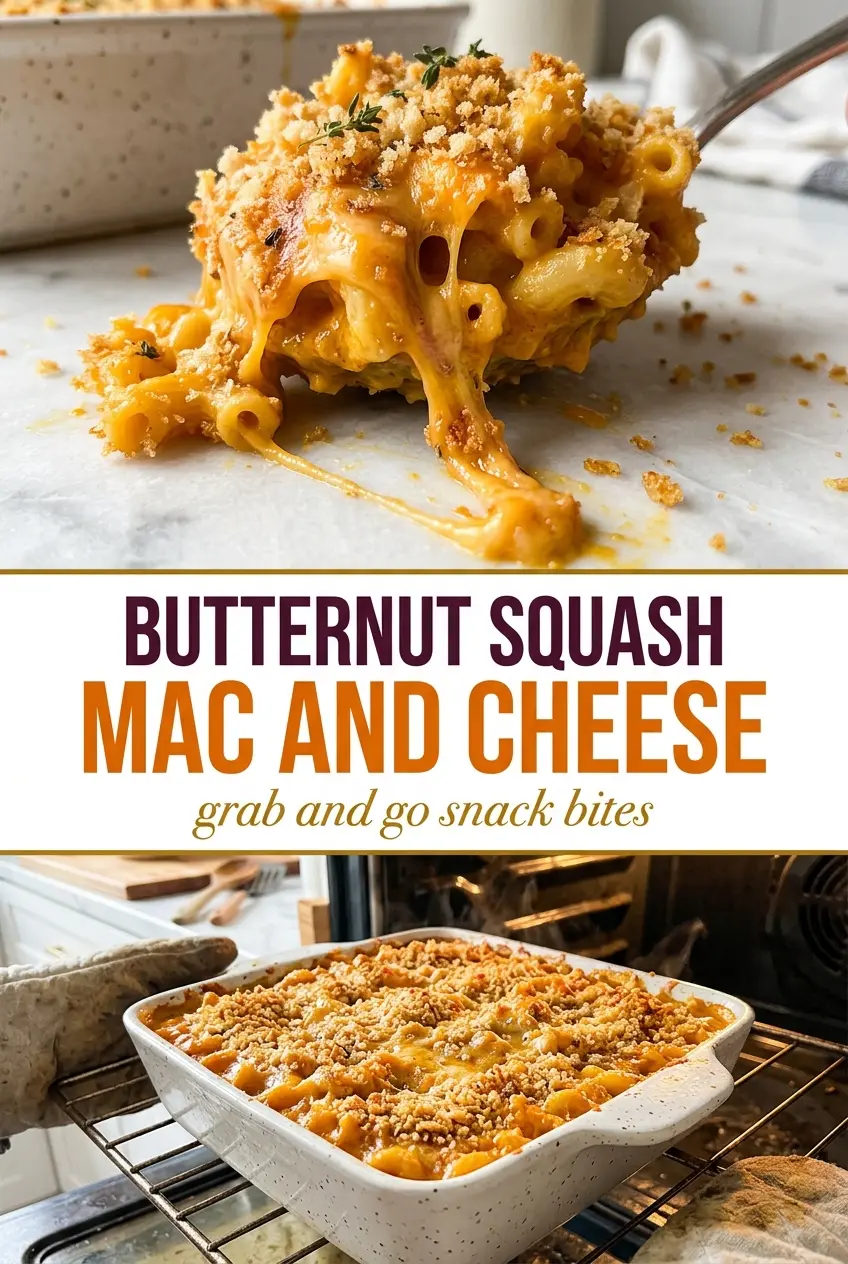
Butternut Squash Mac And Cheese
Ingredients
Equipment
Method
- Cook the elbow macaroni according to package directions, then drain.
- Preheat the oven to 375°F and grease a baking dish.
- Whisk the butternut squash puree with the milk, cheddar, parmesan, and nutmeg in a saucepan until melted and smooth.
- Fold the cooked macaroni into the cheese sauce.
- Transfer the mac and cheese to the baking dish and toss the panko with the melted butter, then sprinkle over the top.
- Bake at 375°F for 20-25 minutes until golden and bubbly.