
Tender cheese tortellini coated in a silky butternut squash sauce is the kind of skillet dinner that disappears fast. The sauce lands somewhere between creamy and velvety, with enough parmesan to give it body and enough sage butter to keep each bite tasting finished instead of flat. It feels cozy without being heavy, and it tastes like you spent a lot longer at the stove than you actually did.
What makes this version work is the balance. Butternut squash puree brings thickness and natural sweetness, while vegetable broth keeps the sauce from turning into paste. The cream smooths everything out, but it doesn’t need to boil hard to do its job. Gentle heat is what keeps the sauce glossy and lets the parmesan melt in without turning grainy. Frying the sage leaves in the butter first does double duty: you get crispy garnish and a pan flavored with sage from the start.
Below you’ll find the small details that matter, including how to keep the sauce from breaking and what to do if you only have canned puree. The technique is straightforward, but a few little choices make the difference between a decent skillet dinner and one you’ll want to make again.
The sauce turned out silky and thickened exactly like you said, and the crispy sage on top made it taste like a restaurant dish. My husband went back for seconds before I even sat down.
Love the creamy butternut squash sauce and crispy sage? Save this tortellini skillet for a fast one-pan dinner with cozy fall flavor.
The Reason the Sauce Stays Creamy Instead of Turning Thick and Gluey
Butternut squash puree can go wrong fast if it gets cooked like a tomato sauce. It starts out smooth, then turns stubborn and heavy when the heat is too high or the liquid gets reduced too far before the tortellini goes in. The fix is to build the sauce gently, with enough broth to loosen the puree and enough cream to give it a satin finish.
The other trap is the parmesan. Dump it into a boiling pan and it can clump or go grainy, especially if the cream has already been pushed too hard. This sauce wants low heat and a little patience. Once it looks glossy and coats the back of a spoon, it’s ready for the pasta. That texture tells you the sauce has enough body to cling to the tortellini without turning pasty.
What Each Ingredient Is Actually Doing in This Skillet
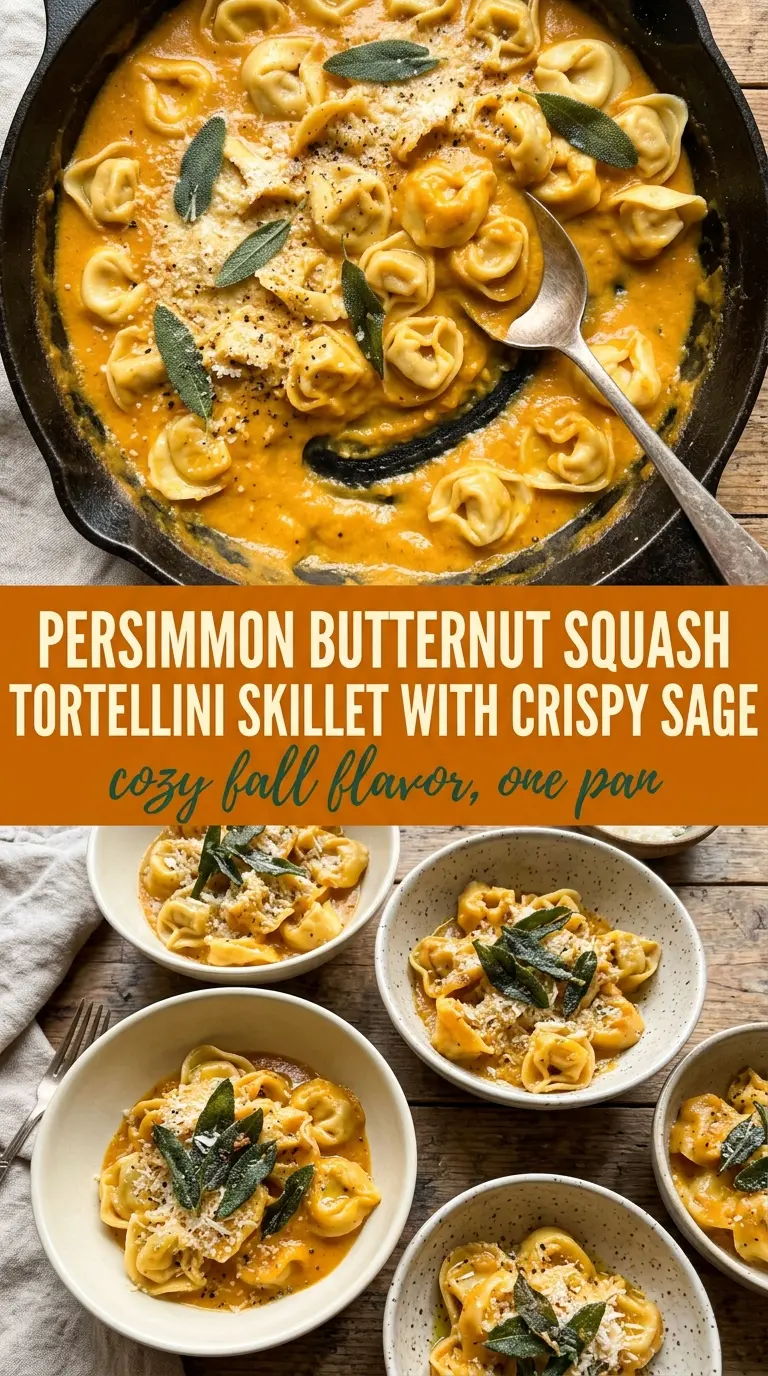
- Cheese tortellini — The filled pasta gives the dish enough substance to feel like dinner, not just sauce over noodles. Fresh or refrigerated tortellini cooks fast and holds its shape best, but frozen works too if you give it an extra minute or two.
- Butternut squash puree — This is the backbone of the sauce. Homemade roasted puree gives the deepest flavor, but a good-quality store-bought puree is the right shortcut when you want speed. If the puree is very thick, loosen it with broth before it hits the pan.
- Heavy cream — Cream smooths the squash and keeps the sauce from tasting one-note. Half-and-half will work in a pinch, but the sauce will be a little lighter and less luxurious. If you use a lower-fat dairy, keep the heat low so it doesn’t separate.
- Vegetable broth — Broth thins the puree just enough for the tortellini to coat cleanly. Use a good broth here; a bland one makes the whole dish taste muted. If your squash puree is already loose, start with a little less and add as needed.
- Parmesan cheese — Parmesan sharpens the sweetness of the squash and gives the sauce body. Grate it finely so it melts in smoothly. Pre-shredded cheese can work, but it doesn’t dissolve as cleanly and can leave the sauce a little gritty.
- Sage leaves and butter — Frying the sage in butter perfumes the whole skillet and gives you a crisp garnish that breaks up the creaminess. The leaves burn fast, so pull them as soon as they darken and crisp at the edges. The butter left behind carries that sage flavor into the sauce.
- Garlic — Garlic gives the sauce a savory base so the squash doesn’t read as sweet. It only needs a short sauté; if it browns, it turns bitter and starts to fight the parmesan.
The 20 Minutes That Actually Matter
Frying the Sage Without Burning It
Heat the butter in the skillet until it foams, then add the sage leaves in a single layer. They should sizzle immediately and darken to a deeper green in about a minute. The moment they turn crisp, lift them out. If you leave them in the pan while you build the sauce, they’ll go from fragrant to bitter in seconds.
Cooking the Garlic Just Until It Smells Sweet
Add the garlic to the sage butter and stir it for only a short stretch, just until you smell it bloom. You want fragrance, not color. If the garlic takes on any brown edges, the sauce will taste sharper than it should, so keep the heat moderate and move right into the squash before it has a chance to overcook.
Building the Sauce Before the Tortellini Goes Back In
Stir in the squash puree, cream, and broth, then let the mixture simmer gently until it loosens and turns glossy. It should bubble lazily, not boil hard. Once the parmesan goes in, the sauce should tighten slightly and look smooth all the way through. If it seizes or looks grainy, the pan was too hot, so pull it off the burner and stir until it settles.
Finishing With the Tortellini
Add the cooked tortellini and fold it through the sauce instead of stirring aggressively. The pasta shells and folds can tear if you beat them around. You want every piece coated and warmed through, with enough sauce left in the pan to pool lightly at the bottom. Top with the crispy sage and serve it right away while the sauce is still silky.
How to Adapt This for Dairy-Free, Lighter, or Meatier Nights
Dairy-Free Version
Use a rich unsweetened oat cream or cashew cream in place of the heavy cream, then swap in a dairy-free parmesan alternative. The sauce won’t taste exactly the same, but it will still be creamy and savory if you keep the heat low and add the cheese substitute at the end.
Gluten-Free Version
Use gluten-free tortellini if you can find it, and check the broth for hidden gluten. The sauce itself is naturally gluten-free, so the main thing you’re changing is the pasta texture, which can be a little softer and needs careful timing.
Lighter But Still Creamy
Use half-and-half instead of heavy cream and add an extra splash of broth if the sauce tightens too much. It won’t be quite as rich, but it will still cling to the tortellini nicely as long as you keep the simmer gentle.
Add Sausage for a Heartier Dinner
Brown crumbled Italian sausage before you start the sauce, then use a little of that fat in place of some of the butter. It adds salt, fennel, and a deeper savory note that plays well with the squash, but the skillet will taste heavier and less delicate.
Storage and Reheating
- Refrigerator: Store leftovers in an airtight container for up to 3 days. The sauce thickens as it sits, so the pasta will look tighter the next day.
- Freezer: I don’t recommend freezing this dish. Cream sauces and tortellini both change texture after thawing, and the sauce can separate.
- Reheating: Warm it gently on the stove with a splash of broth or cream, stirring often. The most common mistake is microwaving it too hard, which dries out the tortellini and makes the sauce break.
Answers to the Questions Worth Asking
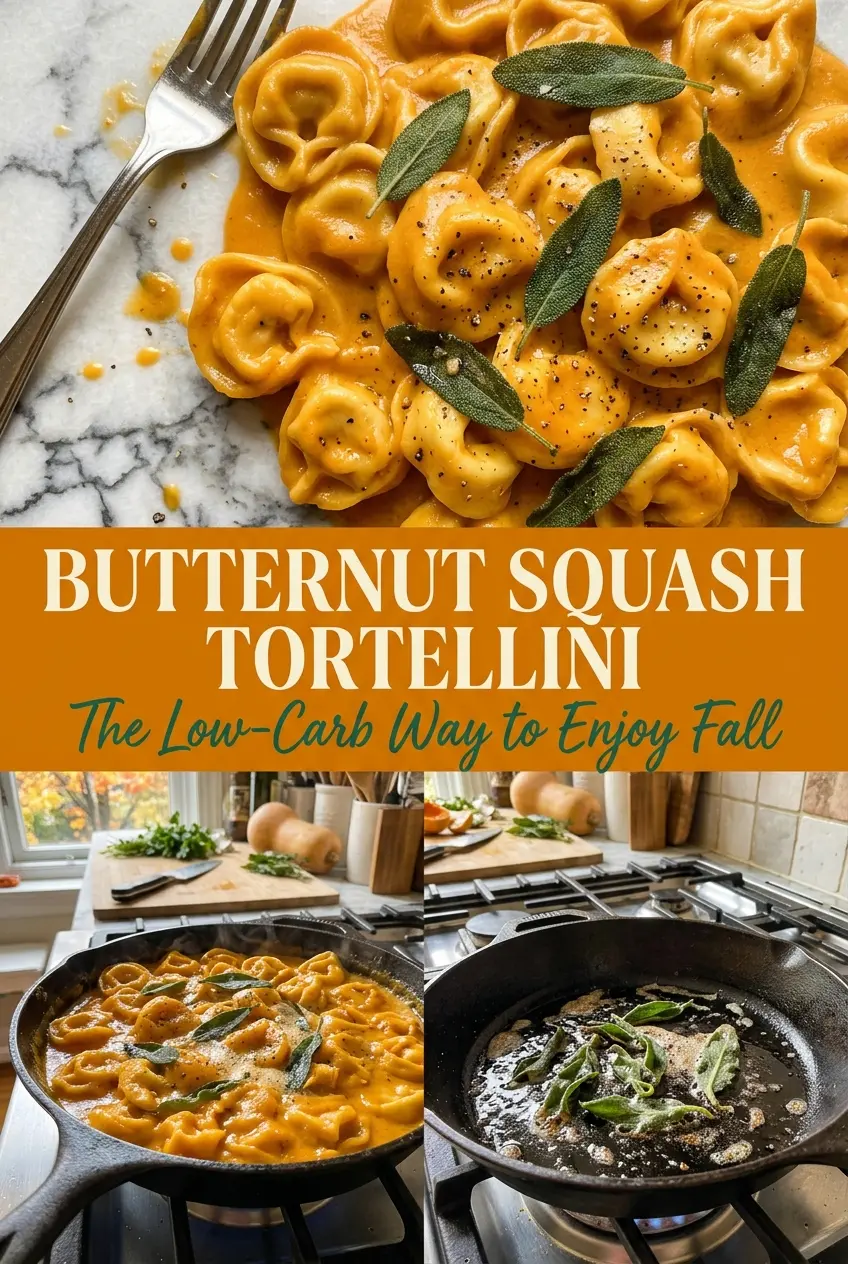
Butternut Squash Tortellini Skillet
Ingredients
Equipment
Method
- Cook cheese tortellini according to package directions, then drain and set aside.
- Melt 2 tbsp butter in a skillet over medium heat, then fry sage leaves until crispy, about 1 minute, and remove.
- Sauté garlic in the same skillet until fragrant, about 30 seconds.
- Stir in butternut squash puree, heavy cream, and vegetable broth, then simmer for 5 minutes.
- Add grated parmesan cheese and stir until smooth.
- Fold cooked tortellini into the sauce and toss to coat.
- Top with crispy sage leaves before serving, and season with salt and pepper to taste.