
Cilantro lime noodles hit that sweet spot between fresh and satisfying: glossy noodles coated in a bright green sauce that tastes sharp from the lime, herbal from the cilantro, and just rich enough from sesame oil to keep every bite from feeling thin. The best versions don’t bury the herbs under cream or loads of fat. They let the cilantro stay vivid and the garlic stay punchy, then use the heat of the noodles to pull everything together into something that eats like a full meal.
The trick here is balance. Too much lime and the sauce turns harsh. Too much soy sauce and the whole bowl tastes muddy. A little honey smooths out the edges without making it sweet, and blending the sauce gives you that restaurant-style cling that coats each strand instead of pooling at the bottom of the bowl. Tossing the noodles while they’re still warm matters too, because warm noodles drink in the sauce instead of sitting there slick and separate.
Below, I’ve included the small details that keep this dish bright instead of flat, plus a few easy ways to turn it into a bigger dinner when you need more than a bowl of noodles.
The sauce clung to the noodles instead of sliding off, and the lime stayed bright even after dinner sat on the table for a few minutes. I added shrimp like suggested and my husband asked if I could put this in the regular rotation.
Save these cilantro lime noodles for the nights when you want a fast bowl with a bright, herby sauce that actually coats the noodles.
The Reason the Sauce Stays Bright Instead of Turning Flat
Cilantro sauces go dull fast when the balance is off. Too much heat can turn the garlic bitter, too much acid can make the herbs taste harsh, and too little salt leaves the whole bowl tasting like lime water. This version works because the blender does the heavy lifting. It turns the cilantro into a smooth sauce that clings, and it gives the garlic enough time to blend into the background instead of landing in sharp, raw bursts.
The other thing that matters is when you toss the noodles. Warm noodles grab sauce better than cold ones, and they carry the garlic and lime all the way through the bowl instead of leaving most of the flavor on top. If your noodles seem dry after tossing, that usually means they cooled too much before the sauce went on. A splash of the noodle cooking water can loosen everything back up without watering it down.
What Each Ingredient Is Actually Doing in This Bowl
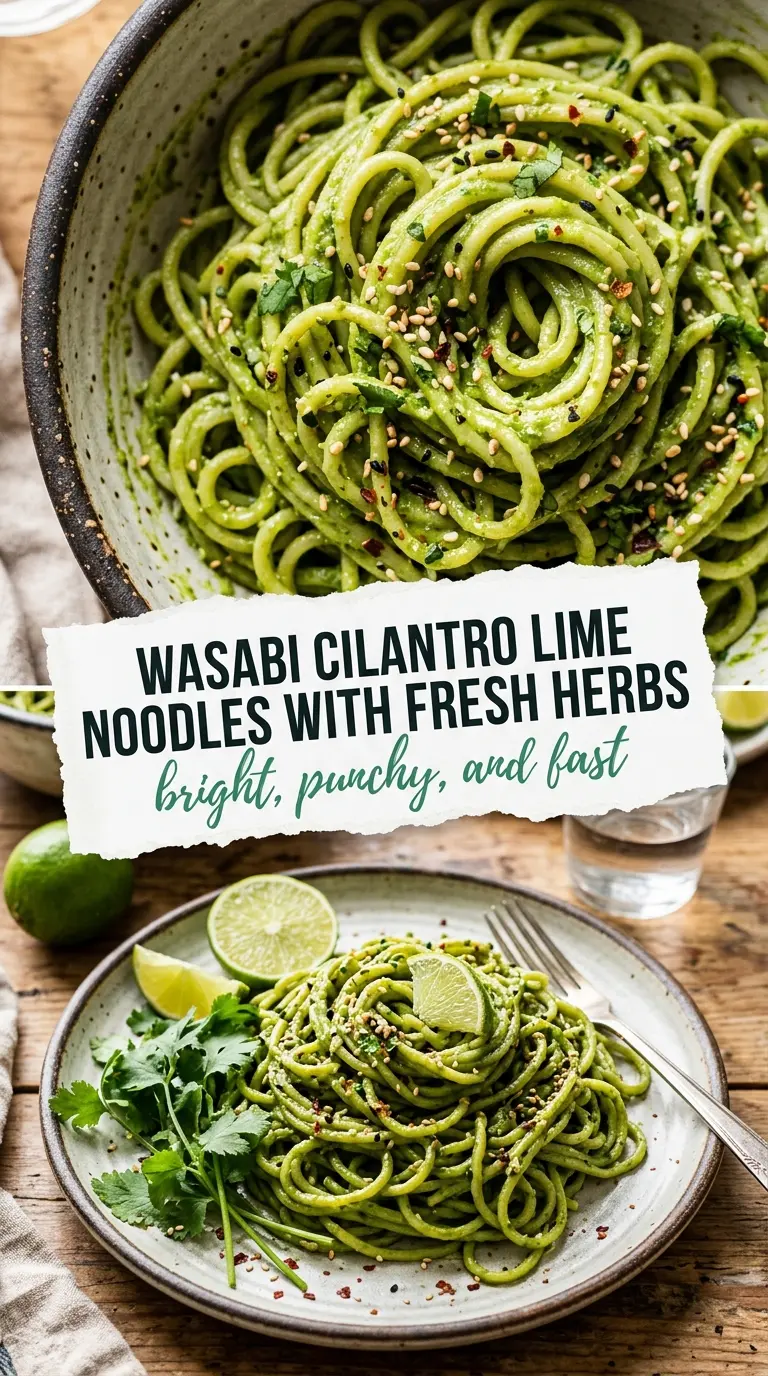
- Noodles — Rice noodles give you a softer, lighter bite, while wheat noodles bring more chew and hold onto the sauce a little better. Use whichever style you like, but cook them just to tender. Overcooked noodles turn mushy once they’re tossed in sauce.
- Fresh cilantro — This is the backbone of the dish, so use fresh leaves and tender stems. The stems blend in well and add flavor, but thick woody stems can taste grassy. If cilantro tastes soapy to you, flat-leaf parsley gives you a different dish, but it keeps the same fresh, green feel.
- Lime juice — Fresh lime juice matters here. Bottled juice tastes dull and can make the sauce lose its snap. Start with the listed amount, then taste before tossing. Some limes are sharper than others.
- Garlic — Raw garlic gives the sauce its bite. Two cloves is enough to keep it lively without taking over. If you want a softer garlic flavor, briefly blanch the cloves before blending, but you’ll lose some edge.
- Soy sauce — This brings salt and depth, and it keeps the sauce from tasting like herb puree. Regular soy sauce works fine. If you use low-sodium, taste the sauce before adding anything else, because the lime can make it seem underseasoned until the noodles are coated.
- Sesame oil — A little goes a long way. It adds roundness and a toasted note that makes the sauce feel finished. Don’t swap in a neutral oil here unless you have to, because you’ll lose the nutty backbone that ties the whole bowl together.
- Honey — This doesn’t make the noodles sweet. It softens the sharp edges of the lime and garlic so the sauce tastes balanced instead of harsh. Maple syrup can work in a pinch, but it reads a little heavier.
How to Build the Sauce So It Clings to Every Noodle
Cook the noodles just to tender
Boil the noodles according to the package directions until they’re tender but still have a little bite. If they go soft in the pot, they’ll turn slack once the sauce hits them. Drain them well so you don’t dilute the sauce with a puddle of water at the bottom of the bowl. If the noodles are sticking together, a quick toss with a spoonful of the cooking water usually loosens them enough to sauce evenly.
Blend the sauce until it turns fully green
Add the cilantro, lime juice, garlic, soy sauce, sesame oil, and honey to a blender or small food processor. Blend until the sauce looks smooth and fleck-free, with no big cilantro bits or garlic chunks left behind. If the sauce looks thick before it’s blended smooth, keep going; chunky sauce won’t coat the noodles the same way. Taste it now, not after the noodles are mixed in, because this is the easiest point to adjust lime or honey.
Toss while the noodles are still warm
Pour the sauce over the drained noodles and toss until every strand looks coated and glossy. Warm noodles absorb the sauce better than cold ones, so don’t let them sit around too long before mixing. If the bowl looks dry, add a teaspoon or two of noodle cooking water and toss again. The finished noodles should look slick, not soupy, and the sauce should cling in a thin green layer instead of pooling underneath.
Finish with sesame seeds and serve right away
Sprinkle sesame seeds over the top just before serving for a little crunch and a clean finish. The sauce tastes brightest right after tossing, when the lime is sharp and the cilantro is still vivid. If the bowl sits too long, the herbs mellow and the noodles drink up more sauce, which can leave it a little tighter. A quick toss before serving wakes everything back up.
How to Adapt This for Bigger Bowls, Different Diets, or Leftover-Friendly Meals
Make it gluten-free without losing the texture
Use rice noodles and swap the soy sauce for tamari or coconut aminos. Rice noodles stay soft and glossy, which fits the sauce well, but they do need to be tossed soon after draining because they can clump as they sit. Tamari keeps the same salty depth, while coconut aminos brings a slightly sweeter finish.
Turn it into a full dinner with shrimp, chicken, or tofu
Add cooked shrimp, sliced chicken, or crispy tofu after the noodles are sauced. Seafood keeps the bowl light, chicken makes it heartier, and tofu soaks up the lime-cilantro sauce especially well. If you’re using tofu, press it first so it browns instead of steaming in the pan.
Make the sauce milder for kids or sensitive palates
Use a little less garlic and start with a smaller squeeze of lime, then add more after tasting. That keeps the sauce fresh without crossing into sharp or bitter territory. A tiny extra drizzle of honey helps round it out if the lime is strong.
Storage and Reheating
- Refrigerator: Store leftovers in an airtight container for up to 3 days. The noodles will absorb more sauce as they sit, so expect the texture to tighten a bit.
- Freezer: I don’t recommend freezing this one. The herbs lose their bright color and the noodle texture turns soft once thawed.
- Reheating: Rewarm gently in a skillet over low heat with a splash of water to loosen the sauce. High heat can make the garlic taste harsh and can dry the noodles out fast.
Answers to the Questions Worth Asking
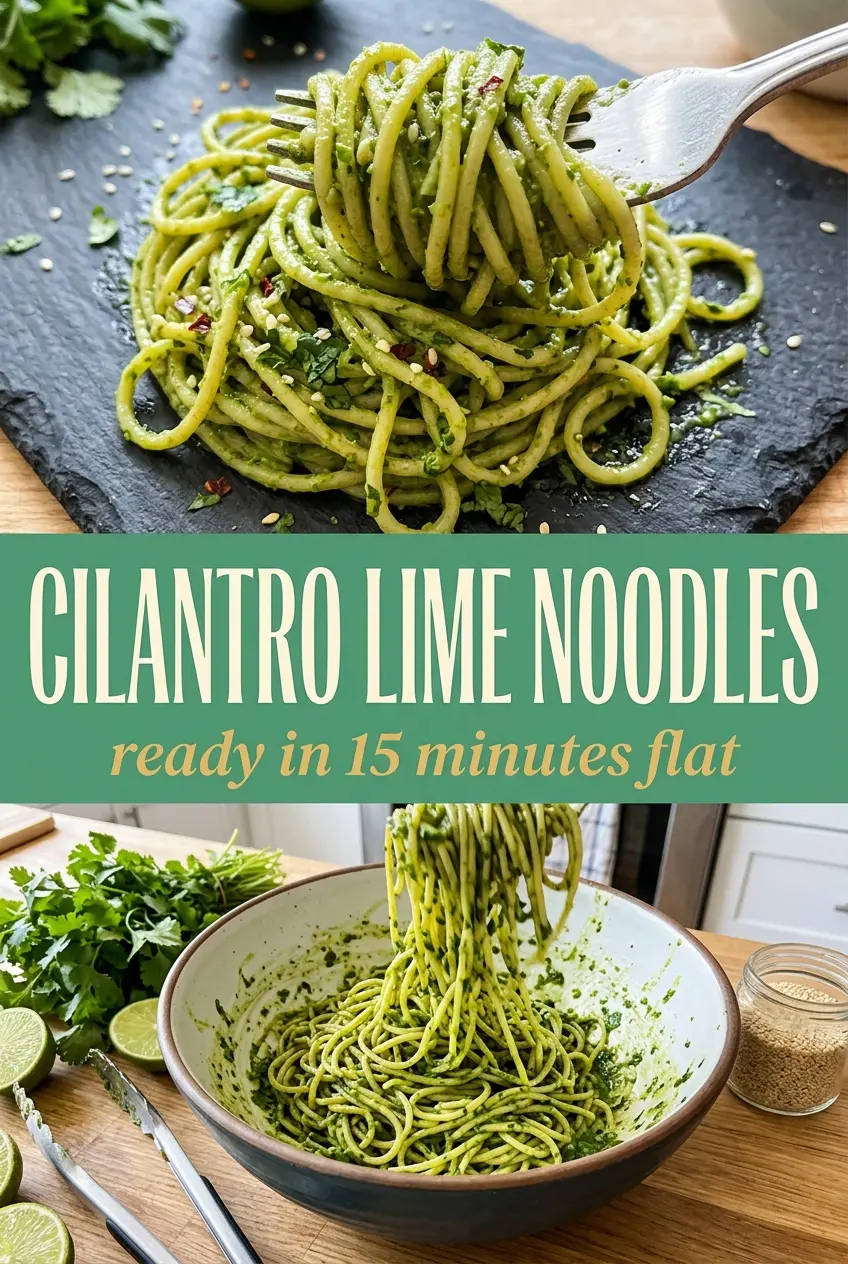
Cilantro Lime Noodles
Ingredients
Equipment
Method
- Cook the noodles according to package instructions until tender, then drain well. Keep them warm for better sauce cling.
- Blend the cilantro, lime juice, garlic, soy sauce, sesame oil, and honey until smooth. Scrape down as needed until the sauce looks uniformly green and glossy.
- Toss the warm noodles with the cilantro-lime sauce until evenly coated, adding a splash of reserved noodle water only if needed for looseness. Look for a thin, shiny coating rather than dry noodles.
- Garnish with sesame seeds before serving. Finish with a few extra pinches for visible speckles.