
Soft pumpkin cinnamon rolls rise into the kind of breakfast that disappears while they’re still warm, with pillowy layers, a buttery cinnamon-brown sugar swirl, and a cream cheese glaze that melts into every crevice. The pumpkin keeps the dough tender without making it heavy, and the spice carries through the whole pan instead of sitting only in the filling. What you get is a batch of rolls that taste rich and bakery-style, but still feel homemade in the best way.
The trick here is balancing moisture. Pumpkin puree adds flavor and softness, but too much flour can turn the dough tight and dry, so the dough should stay soft and slightly tacky before the first rise. Warm milk helps wake up the yeast, and letting the rolls puff again after slicing gives you that light, pull-apart texture instead of dense spirals. The cream cheese glaze goes on warm rolls for a reason, too. It loosens just enough to sink into the swirls without sliding right off.
Below, I’ve included the one slicing trick that keeps the rolls neat, plus a few swaps that still give you a tender dough if you need to adjust ingredients.
The rolls came out incredibly soft and the pumpkin kept the dough from drying out. I used the dental floss trick to cut them and every swirl stayed neat. The glaze melted into the tops just enough without making them soggy.
These pumpkin cinnamon rolls bake up fluffy and swirled through with brown sugar, so they’re perfect for the mornings when you want something cozy without a lot of fuss.
The Reason These Rolls Stay Soft Instead of Turning Dense
Most cinnamon rolls get heavy for one simple reason: too much flour sneaks in before the dough has had time to relax. Pumpkin puree already brings moisture to the dough, so if you keep adding flour until it feels dry in the bowl, you’ll end up with rolls that bake up tight and bready instead of plush. The dough should be soft enough to feel a little sticky, but not so wet that it clings like batter.
The other place people lose the texture is the rise. Yeast dough needs warmth and time, not heat. If the kitchen is cold, the dough will eventually rise, but the rolls often bake unevenly and the spirals won’t look as full. Give the dough a warm, draft-free spot, and wait for it to double. That patient rise is what gives you a tender crumb and those separated layers when you pull a roll apart.
What Each Ingredient Is Actually Doing in This Dish
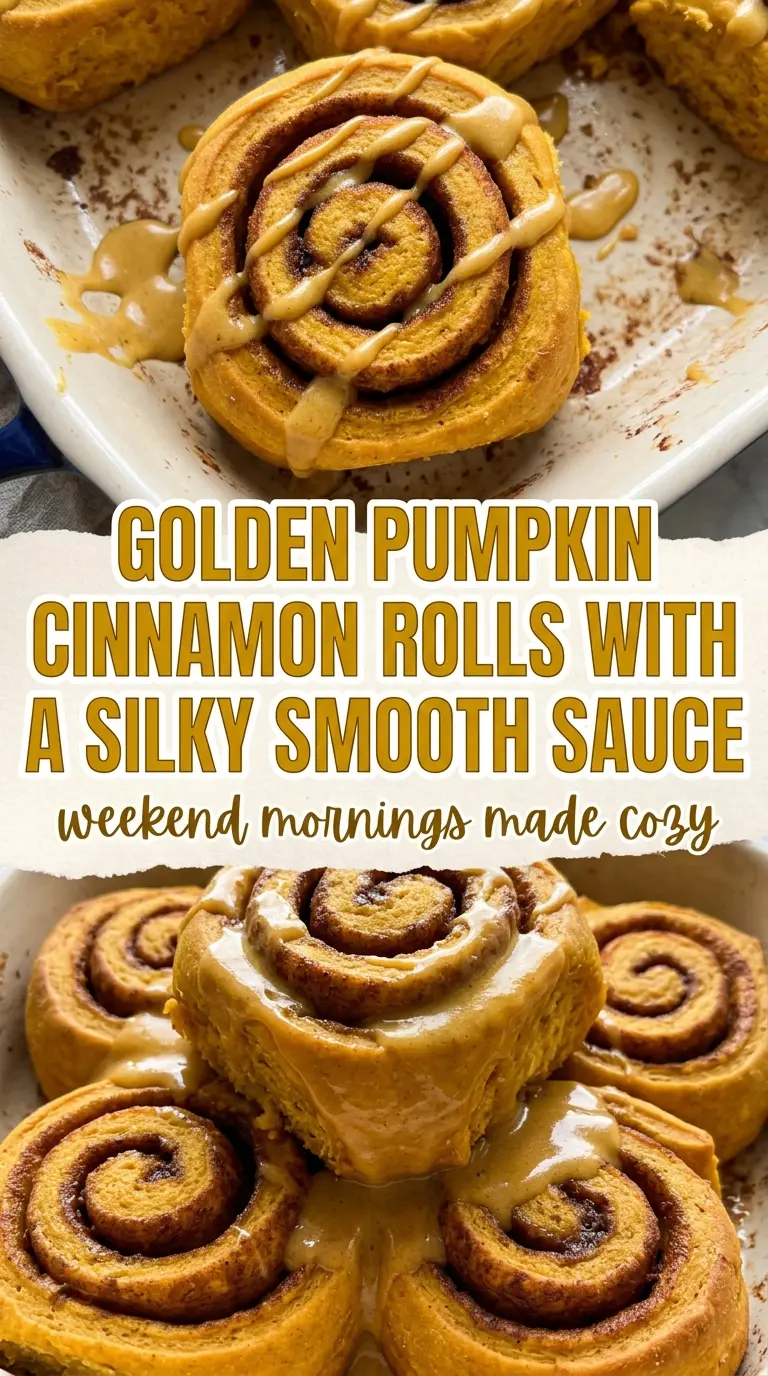
- Pumpkin puree — This is what keeps the dough moist and gives it that deep pumpkin flavor. Use plain pumpkin puree, not pumpkin pie filling, since the filling already has sugar and spices mixed in.
- Active dry yeast — It needs that first five-minute rest in warm milk to wake up properly. If it doesn’t get foamy, the rolls won’t rise the way they should, so it’s worth starting over if the yeast looks flat.
- Brown sugar and cinnamon — The brown sugar melts into the butter and makes the filling gooey instead of sandy. Dark brown sugar gives you a deeper molasses note, but light brown sugar works fine.
- Cream cheese — This makes the glaze tangy and thick enough to cling to warm rolls. If you swap it for a plain milk glaze, you’ll lose that rich finish, but a little extra powdered sugar can help if you need a softer drizzle.
Building the Dough and Filling So the Swirls Bake Cleanly
Waking Up the Yeast
Stir the yeast into warm milk and leave it alone for about five minutes until the surface looks foamy. That foam tells you the yeast is active and ready to lift the dough. If the milk is too hot, it can kill the yeast; if it’s too cool, the yeast will stay sluggish and the dough will take forever to rise. Aim for warm, not hot, like a comfortable bath.
Mixing a Soft, Enriched Dough
Add the pumpkin puree, sugar, melted butter, egg, and pumpkin pie spice before the flour goes in. This keeps the dough evenly enriched, which matters because pumpkin dough can feel sticky and uneven if the flour is dumped in all at once. Add the flour gradually and stop as soon as the dough pulls together into a soft mass. After kneading, it should feel smooth and elastic, not stiff.
Rolling, Filling, and Cutting Cleanly
Roll the dough into a neat rectangle and spread the softened butter edge to edge before adding the cinnamon sugar. The butter helps the filling stick and melt into the layers, which keeps the swirl distinct after baking. Roll it up tightly so the spiral doesn’t unravel, then slice with dental floss or a very sharp knife. A dull blade squashes the roll and pushes the filling out the sides.
Baking Until the Centers Are Just Set
Let the sliced rolls rise again before they go into the oven. That second rise fills in the gaps and keeps the finished rolls lofty. Bake until the tops are golden and the center rolls spring back lightly when touched. If the pan looks done on top but the middle still feels doughy, give it a few more minutes; underbaked centers are the most common problem with thick cinnamon rolls.
How to Adapt These Pumpkin Cinnamon Rolls Without Losing the Tender Crumb
Dairy-Free Version
Use a neutral plant-based milk in place of the warm milk, swap in dairy-free butter for both the dough and filling, and glaze with a simple powdered sugar icing made with plant milk. The rolls will still be soft and flavorful, though the glaze will be lighter and less tangy without cream cheese.
Make-Ahead Overnight Rolls
After slicing and placing the rolls in the pan, cover them tightly and refrigerate overnight instead of doing the second rise at room temperature. In the morning, let them sit out until they look puffy again before baking. Cold dough won’t rise properly in the oven, so that short room-temperature rest matters.
Extra-Spiced Filling
Add a pinch of nutmeg or cardamom to the cinnamon sugar if you want a deeper spice note. Keep the amount small so the pumpkin still comes through. Too much spice can flatten the pumpkin flavor instead of supporting it.
Freezer-Friendly Bake Later
Freeze the baked rolls without glaze, then thaw and warm them before adding fresh icing. The texture holds up better that way than freezing the raw dough, which can lose some of its lift after thawing.
Storage and Reheating
- Refrigerator: Store covered for up to 4 days. The rolls firm up a bit in the fridge, but the crumb stays soft once reheated.
- Freezer: Freeze baked, unfrosted rolls for up to 2 months. Wrap them well so they don’t pick up freezer odor or dry out at the edges.
- Reheating: Warm individual rolls in the microwave for 20 to 30 seconds or the whole pan in a 300°F oven, covered loosely with foil. If you heat them too long, the glaze can melt away and the edges dry out before the centers warm through.
Answers to the Questions Worth Asking
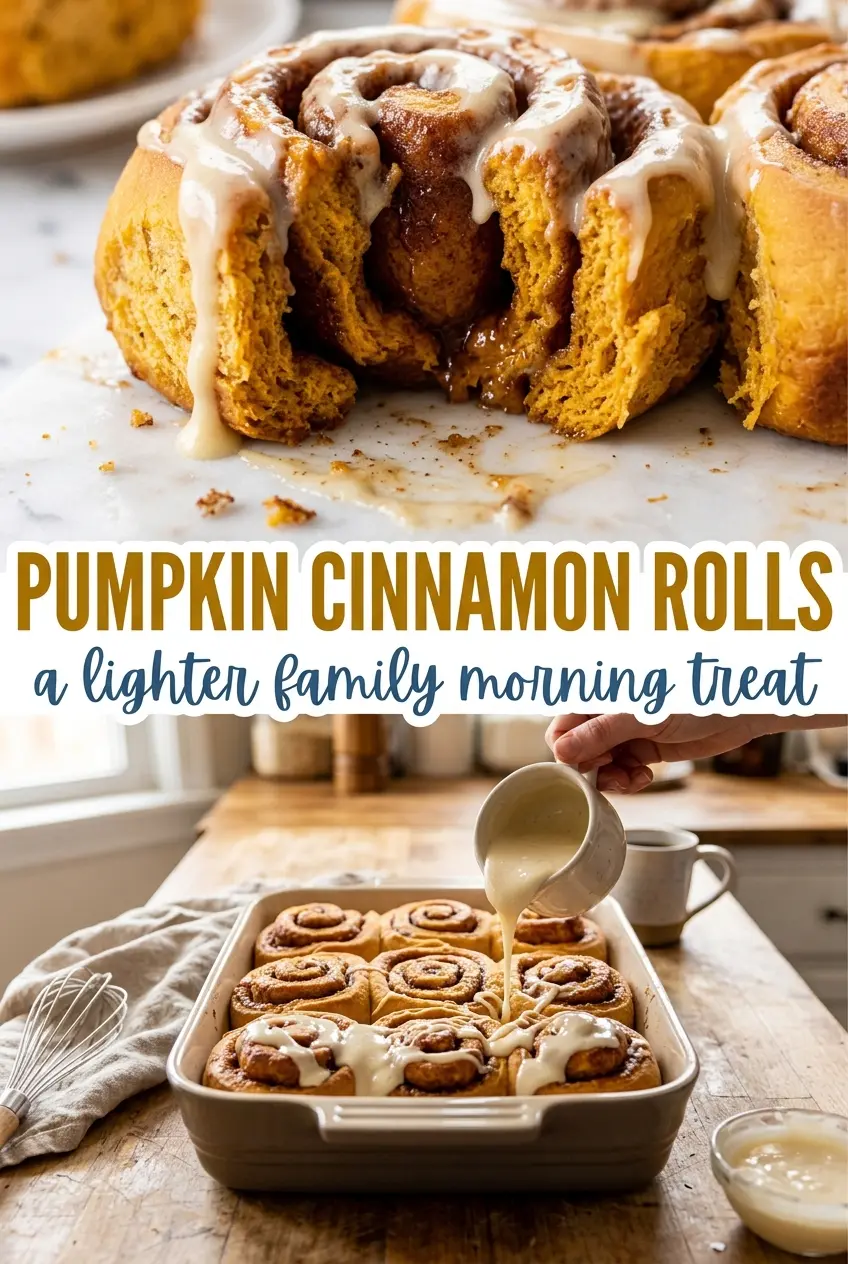
Pumpkin Cinnamon Rolls
Ingredients
Equipment
Method
- Combine warm milk and active dry yeast in a mixing bowl, then let it sit 5 minutes until foamy. The surface should look bubbly and active.
- Mix in pumpkin puree, granulated sugar, melted unsalted butter, large egg, and pumpkin pie spice until smooth. The dough mixture should be evenly speckled.
- Gradually add all-purpose flour and mix until a soft dough forms. Stop once the dough holds together but is still tender.
- Knead the dough for 5-7 minutes until it feels elastic and springy. It should look slightly smoother with a cohesive texture.
- Let the dough rise in a warm place for 1 hour until doubled in size. It should puff up and look noticeably larger.
- Roll the dough into a rectangle, spread with softened butter, and sprinkle with brown sugar and cinnamon. Cover the surface evenly right to the edges for consistent spirals.
- Roll up the dough tightly and slice into rolls, then place them in a greased baking dish. The slices should show tight swirls.
- Let the rolls rise for 30 minutes. They should look puffed and closer together in the dish.
- Bake at 350°F for 22-25 minutes until golden. The tops should be browned and set when tapped.
- Beat cream cheese, powdered sugar, and milk until smooth. The glaze should be thick but pourable.
- Drizzle the glaze over the warm rolls right after baking. Let it flow into the spirals and melt slightly.