
Classic zucchini bread has a way of disappearing faster than almost any other loaf on the counter. It bakes up soft and moist with a tender crumb, warm cinnamon in every bite, and just enough zucchini to keep the texture plush without turning it heavy. The best versions don’t taste like vegetables at all; they taste like a well-balanced quick bread that happens to use up a pile of garden zucchini in the smartest possible way.
The trick is moisture control. Zucchini carries a lot of water, and if you skip the squeeze, the loaf can turn gummy in the middle even when the top looks done. This version uses both granulated sugar and brown sugar for a balanced sweetness and a little extra softness, while the cinnamon gives it that familiar bakery-style warmth. The oil keeps the crumb tender for days, which is one reason this bread holds up so well on the second and third day.
Below you’ll find the exact technique that keeps the batter from getting dense, plus a few practical notes on storage and swaps if you want to adjust the loaf for what’s in your pantry.
I squeezed the zucchini like you said and the loaf baked through perfectly — no soggy middle at all. The cinnamon came through nicely, and both loaves were gone by the next morning.
Like this tender zucchini bread? Save it to Pinterest for the days when you want a moist loaf with warm cinnamon and no gummy center.
The Reason Zucchini Bread Turns Gummy Instead of Tender
The most common mistake with zucchini bread is treating the zucchini like a dry add-in. It isn’t. Fresh zucchini can dump enough water into the batter to throw off the crumb, which is why a loaf can look baked on the outside and still feel tacky in the middle. Squeezing the shreds dry is the difference between a clean slice and a loaf that sinks as it cools.
Overmixing causes a second problem. Once the flour goes in, the batter should look a little rough and fully combined, not whipped smooth. That keeps the gluten from tightening up the crumb. The result is a loaf that stays soft instead of turning bready and dense.
What Each Ingredient Is Actually Doing in This Loaf
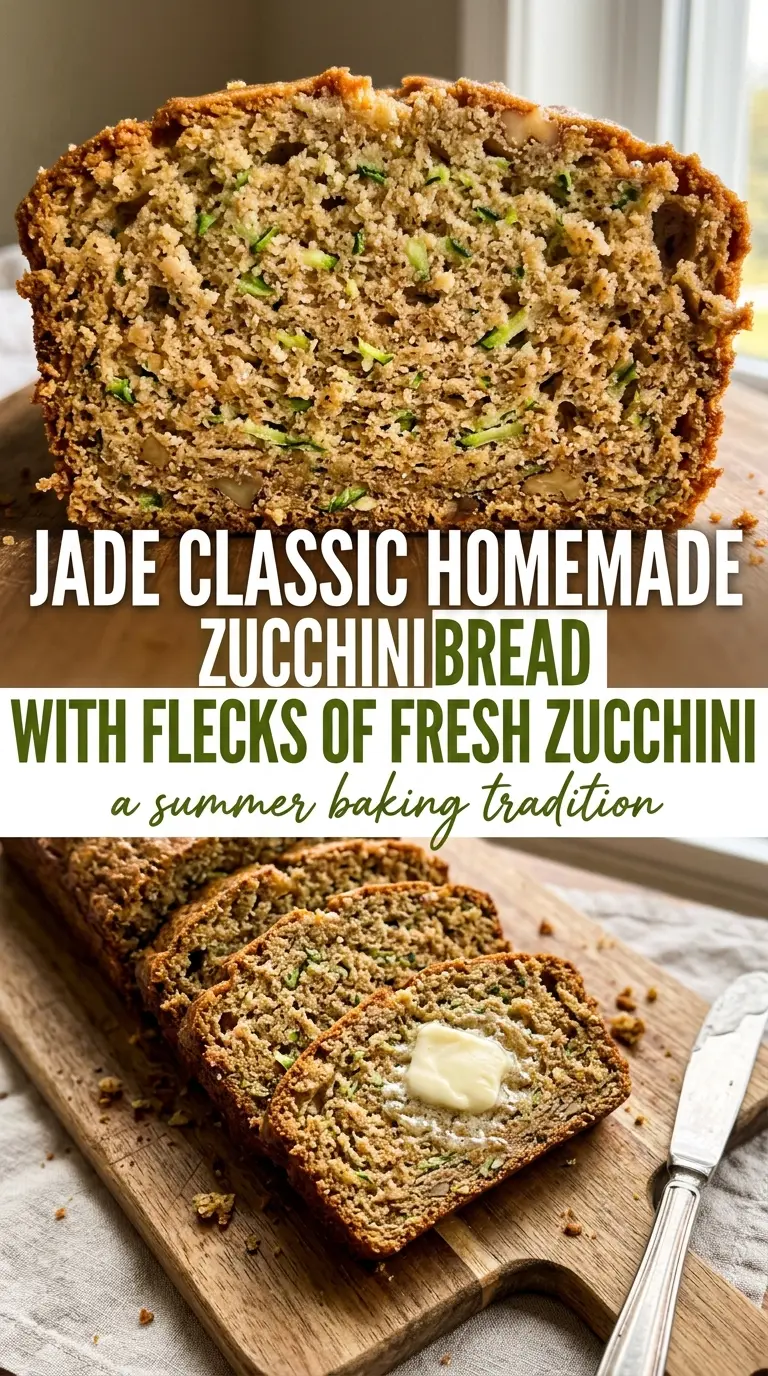
- Zucchini — This is the ingredient that gives the loaf its moisture and flecked green color. Don’t peel it; the skin disappears into the crumb and adds those little dark specks that tell you it’s homemade. The important part is squeezing it dry after shredding so the batter doesn’t get watery.
- Vegetable oil — Oil keeps zucchini bread softer than butter does, especially after a day or two. Butter brings flavor, but oil gives this style of quick bread that plush, tender texture people expect. If you swap in melted butter, expect a slightly firmer crumb.
- Brown sugar and granulated sugar — The granulated sugar gives clean sweetness, while the brown sugar adds a little molasses depth and helps the loaf stay moist. Using both keeps the flavor balanced instead of flat. Dark brown sugar works too, but it will push the loaf a little richer and darker.
- Cinnamon — This is the spice that makes zucchini bread taste like zucchini bread. It doesn’t hide the zucchini; it rounds it out. Fresh cinnamon matters here more than a lot of quick breads because the flavor is simple and there isn’t much else to cover stale spice.
- All-purpose flour — Standard all-purpose flour gives the loaf enough structure to hold the moisture without becoming heavy. If you use a cup-for-cup gluten-free blend, the texture will be a little more delicate, but it can work well in a pinch.
Mixing the Batter Without Overworking It
Whisking the wet ingredients
Start by whisking the eggs, oil, sugars, and vanilla until the mixture looks glossy and a little thickened. You don’t need to beat in much air here. The goal is an even base that will hold the zucchini without separating. If the sugar still looks grainy, that’s fine; it will dissolve as the batter rests.
Folding in the zucchini
Stir the squeezed zucchini into the wet mixture before the flour goes in. That keeps the shreds evenly distributed so every slice has the same texture. If you add it after the flour, you’ll end up overmixing while trying to spread it around.
Bringing the batter together
Add the dry ingredients and fold just until the flour disappears. A few streaks are better than a tough loaf. The batter will look thick and slightly shaggy, and that’s exactly what you want before it goes into the pans. If it looks pourable, the zucchini probably wasn’t squeezed enough.
Baking until the center sets
Bake at 325°F until a toothpick comes out clean from the center, usually 50 to 60 minutes. The top should spring back lightly when touched, and the loaf should pull a little from the sides of the pan. If the top is browning too fast before the center is done, lay a loose piece of foil over it for the last stretch of baking.
How to Adapt This for Different Kitchens and Pans
Making It Dairy-Free Without Changing the Texture
This loaf is naturally dairy-free as written because it uses oil instead of butter. That’s one reason the crumb stays soft for days. Keep the recipe exactly the same and you’ll still get a tender slice with no sacrifice in texture.
Turning It Into Muffins
Spoon the batter into lined muffin wells and start checking around 18 to 22 minutes. Muffins bake faster because the batter has more surface area, so the center sets before the tops dry out. You’ll get a slightly more textured crumb and a better grab-and-go option.
Using Walnuts or Chocolate Chips
A handful of chopped walnuts adds crunch and a toasty edge that works well with the cinnamon. Chocolate chips make the loaf sweeter and turn it closer to a snack cake, which is a good direction if you’re serving it for dessert. Toss either add-in with a spoonful of flour before folding it in so it doesn’t sink.
Storage and Reheating
- Refrigerator: Store covered for up to 5 days, though the crumb is best at room temperature for the first 2 to 3 days.
- Freezer: This bread freezes well. Wrap the cooled loaves or slices tightly in plastic wrap and then foil, and freeze for up to 3 months.
- Reheating: Thaw at room temperature, then warm slices in a toaster or low oven. Microwaving too long can make the crumb rubbery, so use short bursts if that’s your only option.
Questions I Get Asked About This Recipe
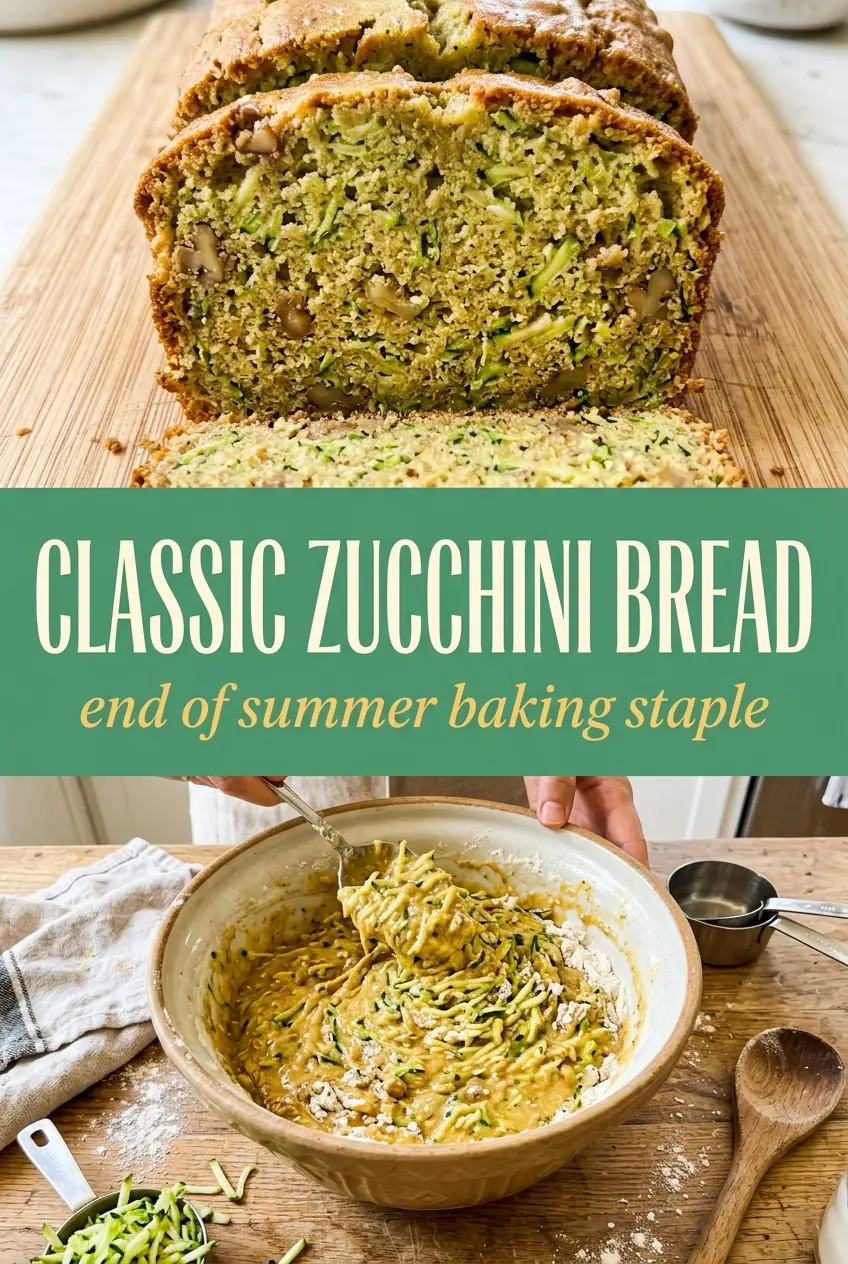
Classic Homemade Zucchini Bread
Ingredients
Equipment
Method
- Preheat the oven to 325°F and grease two loaf pans.
- Whisk the eggs, vegetable oil, granulated sugar, brown sugar, and vanilla extract in a large bowl until smooth.
- Stir in the shredded zucchini until evenly distributed.
- In a separate bowl, whisk the all-purpose flour, baking soda, baking powder, salt, and cinnamon.
- Fold the dry ingredients into the wet mixture just until combined.
- Divide the batter between the prepared loaf pans.
- Bake for 50-60 minutes, until a toothpick inserted in the center comes out clean.
- Cool in the pans for 10 minutes, then turn out onto a wire rack to finish cooling.