
Strawberry rhubarb sauce turns plain pancakes, yogurt, ice cream, or cheesecake into something that tastes finished, not assembled. The strawberries bring sweetness and body, while the rhubarb cuts through with a sharp, clean edge that keeps the sauce from drifting into candy-like territory. When it’s cooked down just right, it lands somewhere between a fruit compote and a loose jam, glossy enough to spoon but thick enough to cling.
The trick is giving the rhubarb enough time to soften before the cornstarch goes in. Rhubarb starts out a little stringy and stubborn, but once it breaks down, it turns silky and gives the sauce its clean tartness. A small amount of lemon juice wakes everything up, and vanilla goes in at the end so it doesn’t cook off or turn flat. If your rhubarb varies a lot in tartness, tasting before you add all the sugar matters more than any strict measurement.
Below, I’m walking through the part that matters most: how to keep the sauce bright instead of dull, and how to adjust it if your berries are extra sweet or your rhubarb is aggressively sour. The method is simple, but a few small decisions change the final texture a lot.
The sauce thickened up beautifully and held its shape on pancakes without running everywhere. I also loved that the rhubarb stayed tangy instead of getting lost under the sugar.
Love this glossy strawberry rhubarb sauce? Save it to Pinterest for pancakes, yogurt bowls, and spooning over vanilla ice cream.
The Reason Rhubarb Turns Silky Instead of Stringy
Rhubarb can go from crisp-tart to fibrous if it doesn’t get enough time in the pan. The mistake most people make is rushing straight to thickening before the fruit has collapsed. That leaves you with a sauce that looks cooked but still eats sharp and a little raw.
Here, the strawberries do part of the work because they break down faster and release juice early. That liquid helps the rhubarb soften evenly instead of scorching on the bottom of the pan. Once the fruit has turned tender and the sauce looks glossy around the edges, the cornstarch goes in to finish the texture, not rescue it.
- Cook until the rhubarb yields easily. You want the pieces soft enough to mash with a spoon against the side of the pan.
- Don’t add the cornstarch too early. It can thicken the liquid before the fruit has broken down, which leaves the sauce pasty instead of jammy.
- Use medium heat, not high. High heat drives off liquid too fast and can make the bottom catch before the fruit softens.
What Each Ingredient Is Actually Doing in This Sauce
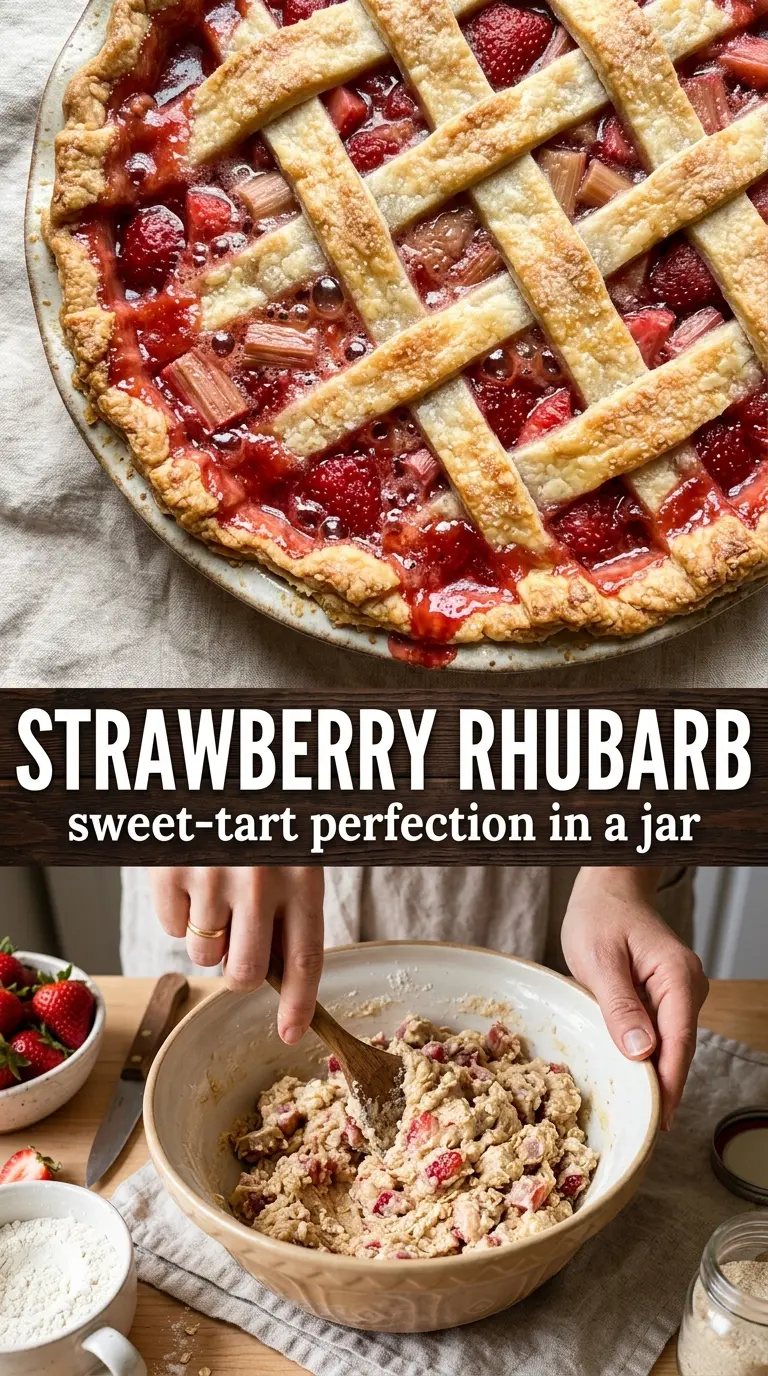
Strawberries bring sweetness, color, and enough natural pectin to help the sauce take on body. If yours are very ripe, the sauce will need less sugar and may cook a little faster.
Rhubarb gives the sauce its sharp backbone. Fresh is best here because frozen rhubarb releases more water and can make the sauce thinner at first, though it still works if you cook off the extra moisture.
Sugar doesn’t just sweeten the sauce; it rounds out rhubarb’s bite and helps the fruit release juice. Start with the listed amount, then taste after the fruit softens if your strawberries are especially sweet.
Lemon juice brightens the fruit and keeps the final flavor from tasting flat. It’s a small amount, but it sharpens the edges in a good way.
Cornstarch gives you that spoonable, glossy finish. Mix it with cold water first so it disperses evenly; if you dump it straight into the hot pan, you’ll get little starchy lumps that never fully disappear.
Vanilla belongs at the very end. It softens the tartness and makes the sauce taste a little more rounded without covering up the fruit.
Building the Sauce Without Overcooking the Fruit
Start with the fruit and sugar
Combine the strawberries, rhubarb, sugar, and lemon juice in a medium saucepan and set it over medium heat. Stir occasionally as the fruit starts to slump and release liquid. The mixture should look watery at first, then turn syrupy as the fruit breaks down. If the heat is too high, the juices reduce before the rhubarb softens, and you end up with tough pieces in a sticky base.
Let the fruit fully soften before thickening
After about 12 minutes, the rhubarb should be tender and the strawberries partially collapsed. You’re looking for fruit that mashes easily and a sauce that looks glossy, not frothy. Stir the cornstarch slurry into the simmering sauce and keep it moving for 2 to 3 minutes until it thickens. If it still looks thin when hot, give it another minute; cornstarch doesn’t set completely until it cools a little.
Finish off the heat
Take the pan off the burner and stir in the vanilla once the sauce has thickened. That keeps the vanilla bright and avoids cooking away the aroma. Let the sauce cool before serving so it settles into that jammy texture. It will look looser when hot than it does after it rests.
How to Adjust It When Your Fruit Is Too Sweet, Too Tart, or Not Fresh
For a tarter, brighter sauce
Cut the sugar back slightly and let the rhubarb lead. You’ll get a sharper sauce that works well over rich desserts like cheesecake or ice cream, where you want contrast instead of extra sweetness.
For a thicker, more spoonable sauce
Let it simmer an extra minute or two after adding the cornstarch, but stay close. The sauce should coat a spoon and leave a clear trail when you drag your finger through it once it’s cool enough to test.
For a dairy-free or vegan topping
The sauce already fits both without any changes. Serve it over coconut yogurt or dairy-free ice cream, and it keeps the same glossy finish and bright fruit flavor.
For frozen fruit
Frozen strawberries and rhubarb work, but they release more liquid, so the sauce may need a little longer on the stove. Cook off the extra moisture before you add the cornstarch, or the finished sauce can end up looser than you want.
Storage and Reheating
- Refrigerator: Store covered for up to 1 week. The sauce will thicken as it chills.
- Freezer: It freezes well for up to 3 months in a sealed container, though the texture is a little softer after thawing.
- Reheating: Warm gently on the stove or in short microwave bursts. Add a splash of water if it has tightened up too much, and don’t boil it hard or the fruit can lose its fresh flavor.
Answers to the Questions Worth Asking
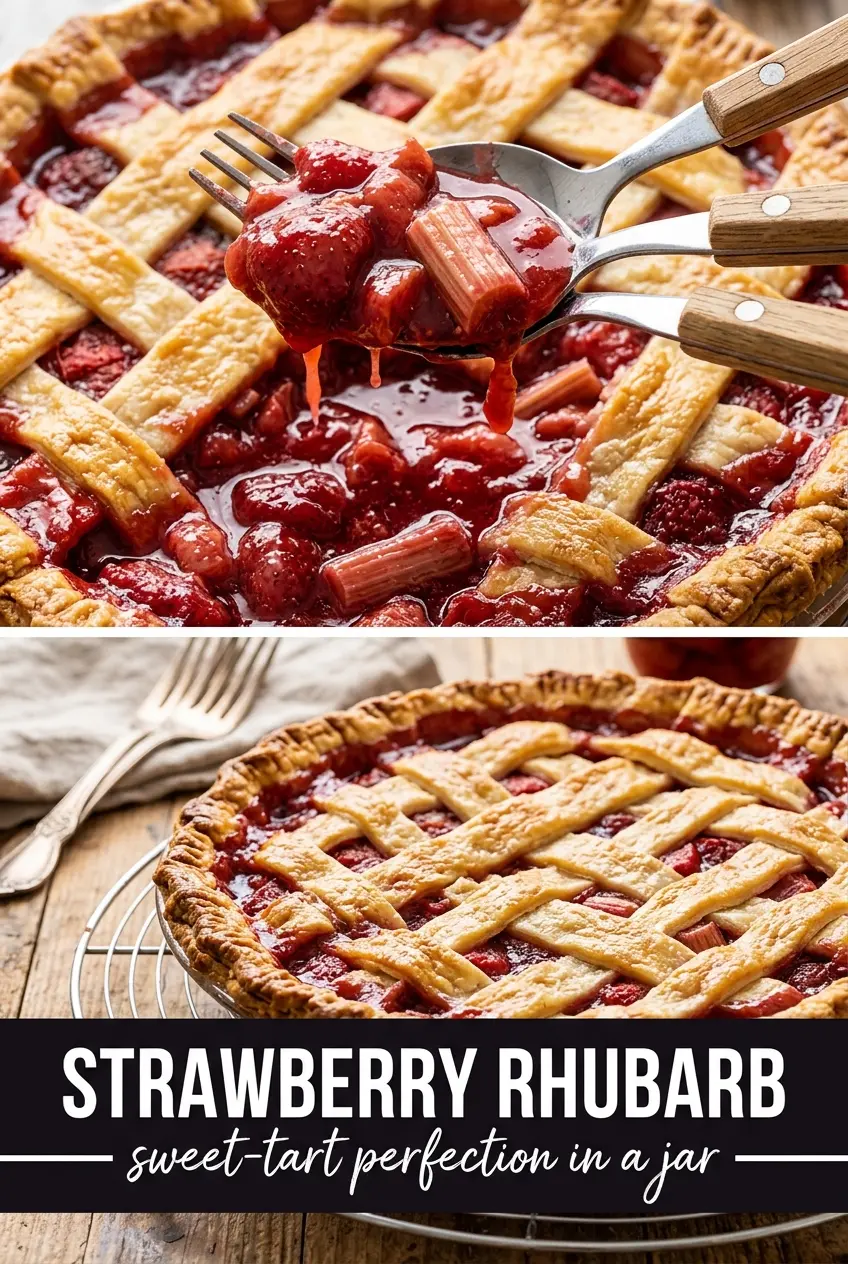
Strawberry Rhubarb Sauce
Ingredients
Equipment
Method
- Combine fresh strawberries, rhubarb, granulated sugar, and lemon juice in a medium saucepan and stir to coat the fruit.
- Cook over medium heat, stirring occasionally, until the fruit softens, about 12 minutes, until it looks jammy and saucy.
- Mix cornstarch with 1 tbsp cold water, then stir the slurry into the sauce and whisk until no dry lumps remain.
- Simmer 2–3 more minutes until thickened, then remove from the heat and stir in vanilla extract.
- Cool the strawberry rhubarb sauce before serving so it thickens further and becomes glossy.
- Spoon over pancakes, ice cream, or yogurt and serve at room temperature or chilled.