
Brie, aged cheddar, salami, figs, grapes, and a handful of crackers turn into a board that looks abundant before anyone even takes the first bite. The trick is that it doesn’t rely on cooking, which means every choice has to earn its place: creamy cheese for richness, sharp cheese for contrast, cured meat for salt, and fruit for the fresh, juicy notes that keep the whole thing from feeling heavy.
The best Thanksgiving boards are built with texture in mind. Soft cheese needs something crisp next to it, and the rich bites need a little sweetness to keep them interesting. That’s why honey, fig jam, dried apricots, and fresh grapes matter here just as much as the cheese itself. When you layer them with intention, the board eats like a complete appetizer instead of a random pile of snacks.
Below, you’ll find the order that keeps the board looking full without overcrowding it, plus a few smart swaps if you need to work with what’s already in the pantry. A little planning goes a long way here, especially if you want guests to be able to grab and go without the board falling apart halfway through the evening.
The cheese-to-fruit balance was perfect, and the honey with fig jam gave the board that sweet-salty bite everyone kept coming back for. I sliced the cheddar ahead like you suggested, and it disappeared fast.
Save this Thanksgiving charcuterie board for the holiday spread that needs no cooking but still looks thoughtful and full.
The Board Falls Apart When You Build It Without Anchors
A charcuterie board looks effortless only when the large items are placed first and the small fillers are used to hold everything together. If you start with crackers and nuts, you end up chasing gaps and the board starts to feel scattered. The better method is to anchor the cheeses and small bowls first, then tuck the meats, fruit, and crunchier pieces around them so every section has a purpose.
Another common mistake is overloading the board with one texture. This combination works because it gives you soft, sharp, salty, juicy, chewy, and crisp in the same spread. That balance keeps guests grazing instead of picking only the one thing they recognize.
What Each Ingredient Is Doing on the Board
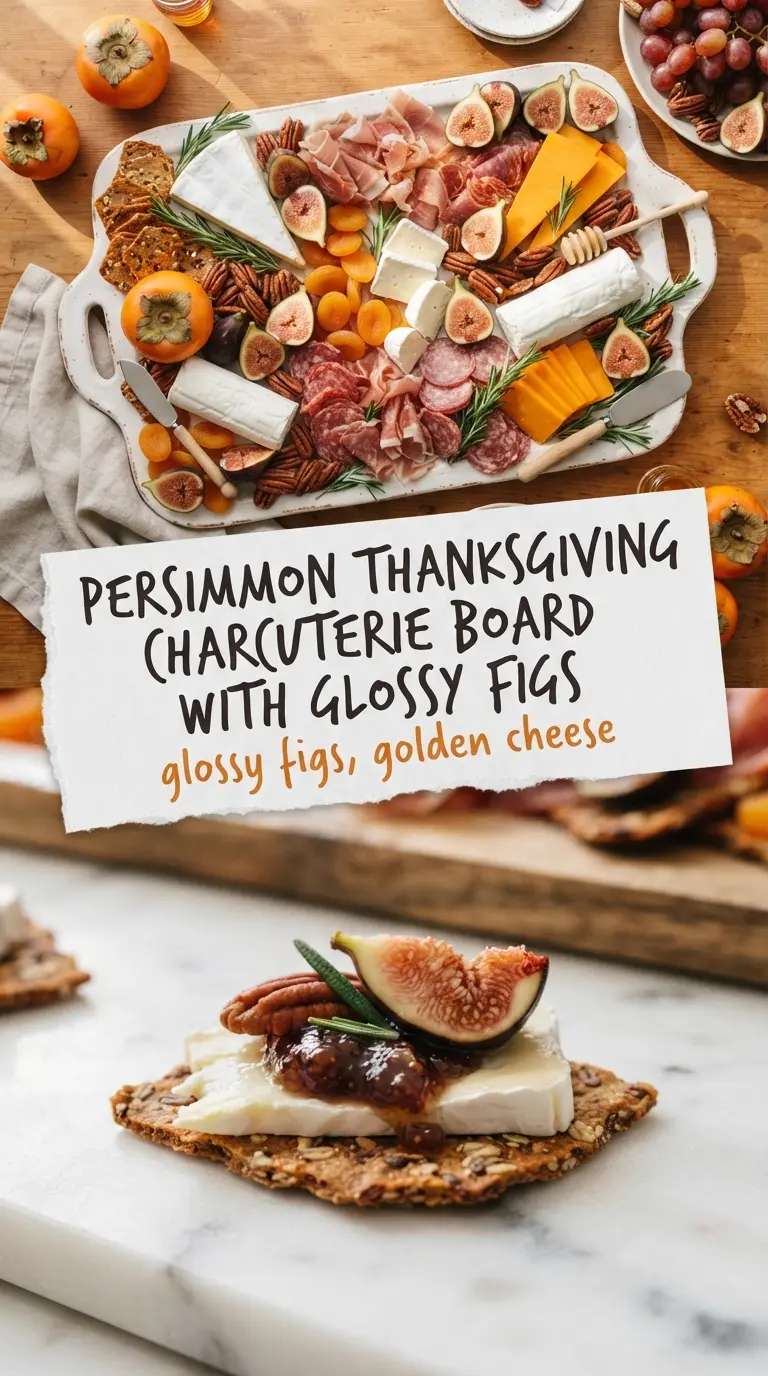
- Brie wedge — This gives the board a creamy, mild center that spreads easily and balances the salt from the meats and cheese. If you can, let it sit out for 20 to 30 minutes before serving so it softens instead of tasting cold and dull.
- Aged cheddar — Sharp cheddar brings the bite that keeps the board from leaning too sweet. A block or wedge is better than pre-shredded here because you want clean slices or rustic shards guests can grab.
- Salami and prosciutto — These add salt, fat, and visual volume. Fold them into loose ribbons or little clusters so they look abundant; flat slices disappear into the board.
- Fresh figs — Figs do two jobs: they look beautiful, and they bring a jammy sweetness that pairs naturally with cheese. If figs aren’t in season, swap in sliced pears or grapes, but know you’ll lose that deep, almost honeyed flavor.
- Red grapes — Grapes add fresh acidity and a juicy bite that resets the palate between richer bites. Leave them in small clusters so they still look like fruit, not scattered garnish.
- Crackers — You need something crisp and sturdy enough to carry cheese and jam without snapping. A neutral cracker works best because it doesn’t compete with the other flavors.
- Pecans and walnuts — Nuts fill empty spaces and bring crunch, which matters more than it sounds on a board this rich. Use toasted nuts if you have them, because the flavor is deeper and the aroma is better.
- Dried apricots — These bridge the gap between savory and sweet and keep the board interesting after the first few bites. Their chewiness also adds another texture that soft fruit can’t replace.
- Honey and fig jam — These are the finishers. Honey gives shine and immediate sweetness, while fig jam adds body and a darker fruit flavor that works especially well with cheddar and prosciutto.
How to Build the Board So It Looks Full, Not Crowded
Place the anchors first
Set the cheeses and small bowls of honey and fig jam down before anything else. That gives the board structure and tells you where the rest of the ingredients need to land. Leave a little breathing room around the soft cheese so it can be reached easily instead of getting buried under grapes and crackers.
Layer in the meats and fruit
Fold the salami and prosciutto into loose piles and tuck them beside the cheeses. Add the figs and grapes next, using them to create color and weight in the open spaces. If the board starts to look flat, stack a few grapes or fan the figs so the arrangement has height.
Finish with the fillers
Use crackers, nuts, and dried apricots to close the gaps without making the board look packed. The goal is a full surface with enough empty space that guests can still pick things up easily. Rosemary at the end is more than garnish; it gives the board a holiday look and a fresh aroma the second the platter hits the table.
Three Easy Ways to Adapt This Board
Make it gluten-free
Swap the crackers for gluten-free crispbread, seeded crackers, or even sliced apples if you want a fresher bite. The board still works the same way, but you’ll want sturdier fruit or crackers so the cheese and jam don’t slide off.
Make it vegetarian
Skip the salami and prosciutto and add more nuts, olives, or marinated artichokes for salt and interest. You’ll lose some of the meaty richness, so lean harder on the cheddar and jam to keep the board balanced.
Make it ahead for a crowd
Slice the cheddar and wash the grapes earlier in the day, then cover and chill them separately until you’re ready to assemble. Keep crackers and nuts sealed at room temperature so they stay crisp, and add the fresh rosemary right before serving.
Storage and Reheating
- Refrigerator: Store leftover cheese, meats, fruit, and jam-covered items separately for up to 3 days. Crackers will soften if left on the board.
- Freezer: This board doesn’t freeze well. The fruit, cheese, and cured meats all change texture after thawing.
- Reheating: No reheating needed. Bring the cheese back to room temperature for about 20 minutes before serving leftovers so the flavors open up again.
Answers to the Questions Worth Asking
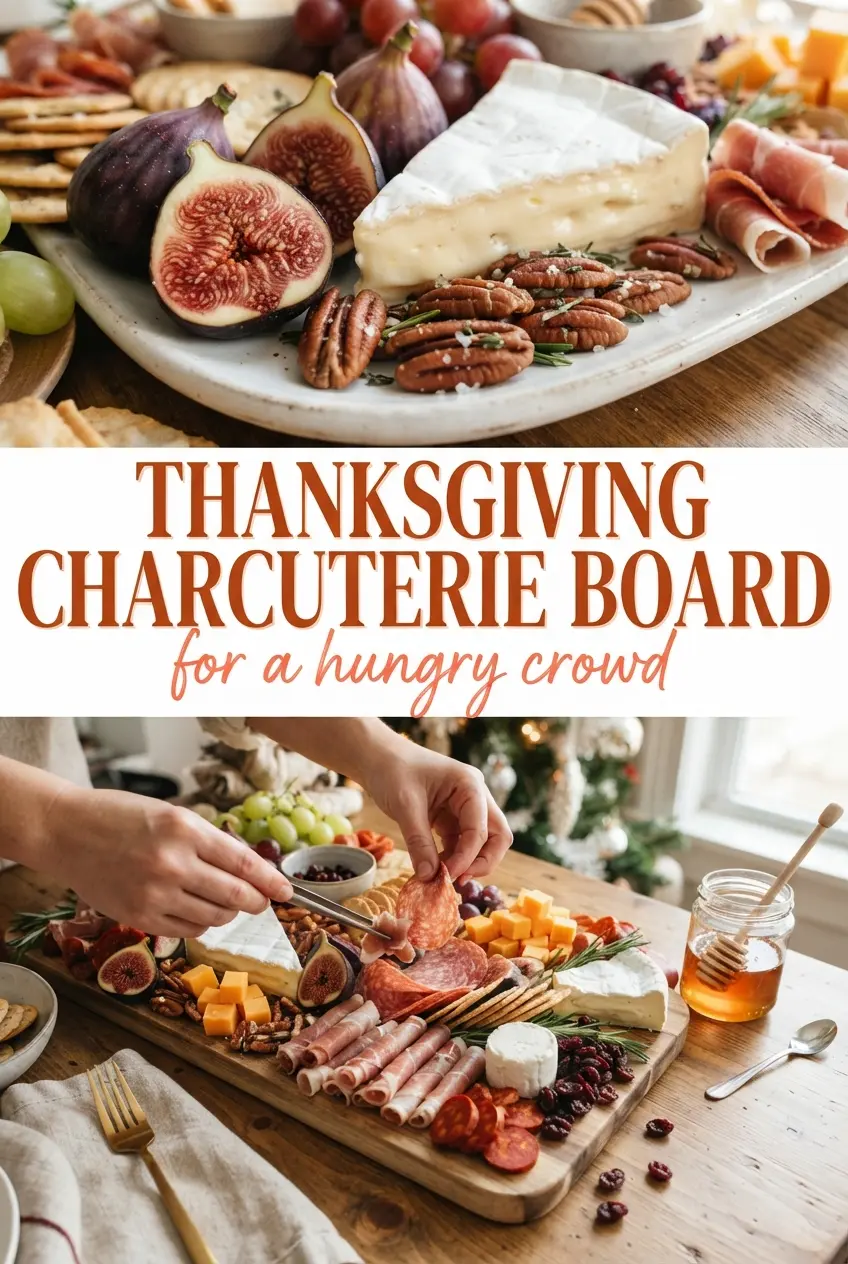
Thanksgiving Charcuterie Board
Ingredients
Method
- Place the cheeses and bowls of jam and honey on a large board.
- Fold the salami and prosciutto in clusters so they sit neatly without spreading out.
- Add the figs and grapes, spacing them around the cheeses for a balanced layout.
- Fill gaps with crackers, nuts, and apricots so every section has something to grab.
- Garnish with rosemary for a fresh fall look that frames the center of the board.